The best ev cars are not selected by range numbers alone. A technically minded buyer should also examine charging behavior, thermal management, driver-assistance limits, cabin computing hardware, update history, and what happens when the warranty clock starts running. An impressive launch presentation is not evidence. A consistent experience across software versions is.
This is a practical shortlist framework for buyers who would rather inspect logs than argue in a fan forum. It covers new and used electric vehicles, with particular attention to the smart-cockpit systems that control navigation, climate settings, voice commands, phone integration, and over-the-air updates.
What makes the best EV cars worth buying
The best ev cars balance five systems instead of optimizing one specification. First is usable range, meaning the distance available after weather, highway speed, and battery reserve reduce the optimistic estimate. Second is charging consistency. A vehicle that briefly reaches a high peak but throttles aggressively after a few minutes can be less useful on a road trip than one with a lower, steadier curve.
Third is software behavior. Does the center display remain responsive after a cold start? Can the driver change cabin temperature without navigating three menus? Does wireless Apple CarPlay reconnect after the vehicle has been parked overnight? These are small tests until one fails during rain, traffic, or a long trip.
Fourth is serviceability. Tesla, Hyundai, Kia, Ford, Rivian, Lucid, BMW, Mercedes-Benz, and other manufacturers take different approaches to parts, service appointments, and remote diagnostics. Fifth is cost. Purchase price, electricity, tires, insurance, and depreciation can change the result more than a few extra miles of advertised range.
A useful evaluation records the vehicle identification, software version, battery percentage, outside temperature, route type, and charging station. Without those details, a complaint such as “the car charged slowly” is a mood, not a finding.

Comparing range, charging, and battery behavior
Range should be treated as a test condition, not a permanent property. A rear-wheel-drive sedan may perform well on a mild suburban commute, while a larger all-wheel-drive crossover uses more energy at highway speeds. Cold temperatures, roof cargo, wet pavement, and repeated fast charging can also affect efficiency.
When comparing the best ev cars, look for charging information beyond the peak kilowatt figure. Ask how quickly the battery reaches its normal operating temperature, whether the route planner automatically prepares the pack for a fast charger, and how long the vehicle stays near its useful charging rate. A ten-minute difference at every stop can matter more than a dramatic brochure number.
The charging network is part of the car. Confirm which connectors the vehicle supports, whether an adapter is included, and whether the manufacturer has enabled access to the networks you actually use. A home charger is usually the most convenient option, but installation can cost roughly $800 to $2,500 depending on panel capacity, trenching, permits, and local labor. Apartment residents should investigate access before signing a purchase agreement.
Battery degradation deserves a measured approach. Ask for warranty terms, inspection options, and service documentation. Avoid treating one owner’s range display as a battery-health report; displayed range is an estimate influenced by recent driving.
Software, chips, and OTA update credibility
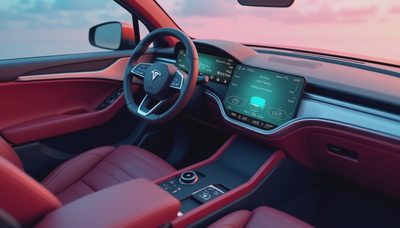
For the best ev cars, the processor and operating system deserve the same attention as the motor. Qualcomm Snapdragon platforms such as the 8155 appear in many modern cockpits, while other vehicles use proprietary or supplier-specific hardware. The chip name alone does not guarantee a smooth interface. Memory allocation, thermal design, software optimization, and update quality matter just as much.
Record the software build before a test drive. Then test cold boot time, map zooming, audio source changes, camera activation, voice recognition, and phone reconnection. Repeat those actions after a drive of at least 20 minutes, when cabin electronics and the battery system are warmer. A screen that is fast for the first five minutes has not completed the exam.
OTA credibility is visible in release notes and owner reports. A serious update should identify fixed behavior, affected modules, known limitations, and rollback or service procedures. “Improved system stability” is not useless, but it is weak evidence. A stronger note explains that a route-planning crash was corrected under a stated condition.
Driver assistance also needs version tracking. Lane centering, adaptive cruise control, parking views, and automated lane changes can change after an update. These systems remain driver-supervised, regardless of branding, and a buyer should verify the exact feature package rather than infer capability from a trim name.
Ownership cost, insurance, and repair exposure
The best ev cars can reduce routine maintenance because electric drivetrains do not require oil changes, spark plugs, or conventional transmission service. That does not make them cheap to own automatically. Tires can wear quickly because of vehicle weight and instant torque, and specialized body panels, sensors, heat pumps, and high-voltage components can raise repair bills.
Insurance deserves a quote before purchase, not after delivery. Comprehensive and collision coverage often cost more for vehicles with expensive sensors, costly body parts, or limited repair networks. Liability coverage pays for damage or injuries you cause to others; it does not replace collision or comprehensive protection for your own vehicle. Raising a deductible from $500 to $1,000 can lower the premium, but it also increases the amount paid after a covered claim.
Get quotes using the exact year, trim, battery configuration, and driver profile. Compare at least three carriers, including direct insurers such as GEICO or Progressive and regional companies available in your state. Ask whether original-equipment parts, glass coverage, rental reimbursement, and battery damage are handled under the policy. Rates depend heavily on location, driving record, credit-based insurance factors where permitted, annual mileage, and claim history.
A useful ownership estimate combines monthly payment, charging, insurance, tires, registration, and expected depreciation. A vehicle that saves $120 per month in fuel but adds $90 in insurance and financing cost is not producing the headline savings imagined at the dealership.
A practical test-drive and buying procedure
Start with a cold vehicle and photograph the dashboard software version. Set the route to a charger that is at least 30 minutes away, then observe navigation responsiveness while the battery is below a full charge. Test climate controls using both the physical controls and the touchscreen. Connect a phone, make a call, reverse into a parking space, and watch for camera delay or distorted stitching.
Next, drive on ordinary streets and a highway. Note steering corrections from lane assistance, warning timing, regenerative-braking transitions, road noise, and whether the estimated range falls faster than expected. Do not test hands-free behavior on public roads unless the system and road legally support it; keep attention on driving at all times.
Ask the seller for the warranty booklet, battery coverage, accident history, service invoices, charger cables, adapter details, and the latest update notes. For a used vehicle, request a battery-health inspection and confirm whether unpaid software subscriptions control key features. A short written record is more valuable than a confident salesperson’s memory.
The shortlist for technically serious buyers
The best ev cars are different tools. A Tesla often appeals to buyers who prioritize a mature charging ecosystem and frequent software changes, though interface changes can be polarizing. Hyundai and Kia models commonly attract shoppers seeking practical packaging, fast charging, and conventional controls, but trim-level equipment must be checked carefully. Ford and Rivian offer truck and adventure-oriented options with distinct software and service considerations. BMW, Mercedes-Benz, Lucid, and other premium brands can provide refined cabins and strong performance, while repair and insurance exposure may be higher.
The correct choice is the vehicle whose weak points fit your routine. If you cannot charge at home, network access outranks a perfect touchscreen. If you keep cars for a decade, parts support and battery warranty matter more than launch acceleration. If software reliability is your priority, favor transparent release notes, reproducible bug reports, and updates that fix specific behavior.
Before requesting insurance quotes, build a simple evidence sheet with price, range test conditions, charging curve, software version, warranty terms, estimated premium, and repair options. That process will not eliminate every surprise. It will, however, make the expensive surprises less likely—and give you something better than a forum argument when the next update changes the menu again.

No letters yet — be the first guest to write.