Shopping for the best electric cars under 50000 dollars requires more than comparing range numbers on a window sticker. An EV is a rolling computer with a battery, thermal system, charging interface, and enough software to create either daily calm or a new hobby involving screenshots. Price matters, but so do charging behavior, driver-assistance performance, cabin usability, insurance costs, and the manufacturer’s record of fixing problems after delivery.
This guide focuses on new vehicles that can typically be configured below $50,000 before taxes, registration, destination fees, and potential incentives. Trim pricing changes frequently, so treat the figures as shopping targets rather than permanent promises. The useful question is not simply which EV travels farthest. It is which one delivers a predictable ownership experience for your commute, charging access, and tolerance for firmware surprises.
How this comparison was built
The best electric cars under 50000 dollars should be evaluated using a repeatable test rather than a single EPA range figure. Start with the actual trim, battery size, drive configuration, and wheel package. Larger wheels can reduce efficiency, while all-wheel drive often adds traction and performance at the expense of range. A $47,000 rear-wheel-drive model and a $49,500 dual-motor version are not equivalent products.
Next, separate advertised capability from daily workflow. A driver with home charging may care more about dependable overnight charging than maximum DC fast-charging speed. Someone living in an apartment needs access to public stations, payment compatibility, and a navigation system that can identify functioning chargers. Record the software version, charging session time, battery percentage, and outside temperature. That creates evidence instead of a vague memory that the car “felt slow.”
The final filter is support. Read owner reports for repeated issues involving infotainment reboots, phone-key reliability, route planning, heat-pump behavior, and advanced driver assistance. One isolated complaint is noise. A pattern across model years and software versions is a signal.

Strong candidates below the price ceiling
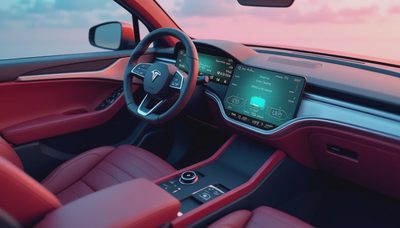
The Tesla Model 3 remains one of the most efficient choices in this group. Its strengths include useful range, a mature charging network, quick software updates, and strong performance even in lower-priced configurations. Its weaknesses are equally visible: nearly every function is routed through the center display, traditional controls are limited, and build quality can vary by vehicle and factory. Insurance pricing also deserves attention because repair costs and sensor calibration can be substantial.
The Hyundai Ioniq 5 and Kia EV6 are compelling alternatives when fast charging and interior space rank highly. Their 800-volt architecture can support very quick DC charging at compatible stations, although the vehicle, charger, battery temperature, and station output all have to cooperate. The Ioniq 5 feels more lounge-like, while the EV6 has a lower, sportier driving position. Both deserve a careful inspection of charging history and recall completion before purchase.
The Chevrolet Equinox EV targets buyers who want a familiar crossover shape and useful space without approaching luxury pricing. Its value improves when the chosen trim stays comfortably below the budget after destination charges. The interface is less experimental than some rivals, but buyers should still test wireless phone projection, climate controls, route planning, and charging estimates during a dealership drive.
The Ford Mustang Mach-E offers quick acceleration, a polished cabin, and a broad dealer network. It can be a good fit for a driver who wants an EV that feels like a conventional performance crossover rather than a science project. Compare trims carefully: larger batteries, all-wheel drive, and premium equipment can move the final price quickly. The Volkswagen ID.4 and Nissan Ariya are also worth inspecting for comfort-focused buyers, especially when dealer discounts or outgoing model-year inventory reduce the transaction price.
Range is only half the data
EPA range is useful for comparison, but it does not describe every trip. Highway speed, cold weather, cabin heating, rain, steep grades, cargo, and roof accessories all affect consumption. A vehicle rated near 300 miles can deliver a very different road-trip experience from another vehicle with the same rating if its charging curve is slower or its route planner is less accurate.
For a practical test, begin with a battery state of charge near 80 percent and drive a familiar route containing city streets and highway miles. Record energy consumption in miles per kilowatt-hour, not just the percentage used. Then test a DC fast charger from roughly 15 to 80 percent. Note the peak power, time spent near the peak, payment process, and whether the car automatically conditions the battery before arrival.
The best electric cars under 50000 dollars make this workflow boring. The route planner should select realistic stops, the charging door should work consistently, and the displayed arrival percentage should not collapse during the final miles. Boring is a compliment here.

Audit the software before signing
A showroom demonstration is not a software audit. Sit in the vehicle with your phone, connect it by Bluetooth and wireless projection, adjust the mirrors, set a destination, and attempt to cancel the route. Test physical buttons at night. Check whether the climate interface remains available while navigation is active. If the vehicle uses a phone key, lock and unlock it repeatedly with the phone in a pocket or bag.
Ask the salesperson for the installed software version and whether open recalls or service campaigns remain. Do not accept “an update is coming” as a repair plan. Ask what the update changes, whether installation requires a service visit, and whether owners report regressions afterward. A new feature is not automatically a successful update if it breaks an existing function.
Driver-assistance systems deserve a conservative evaluation. Lane centering, adaptive cruise control, automatic emergency braking, and parking assistance have different limits. They are not substitutes for an attentive driver. Test them only where legal and appropriate, then document disengagements, warning messages, weather conditions, and road markings. A calm log is more useful than a dramatic forum post.
Calculate the ownership number
The purchase price is only one line in the budget. Get an insurance quote using the exact year, trim, and vehicle identification number when available. EV premiums can reflect replacement parts, battery-related repair procedures, sensor calibration, vehicle value, theft risk, and local claims costs. A $48,000 EV that costs $180 more per month to insure than an alternative can erase a large portion of its apparent price advantage over several years.
Also compare home charging installation, electricity rates, tires, maintenance, and financing. A 240-volt circuit can cost several hundred dollars in a straightforward installation and substantially more when the panel or wiring needs work. Public charging can be convenient, but frequent highway sessions are usually more expensive than charging at home. Tire replacement may arrive sooner on a heavy, high-torque vehicle, particularly with large performance wheels.
Manufacturer warranty terms vary, and battery coverage commonly has separate mileage, time, and capacity conditions. Read the actual warranty booklet. Save charging records, service invoices, photos of warning messages, and software versions. That evidence helps a service department reproduce a problem and gives a future buyer a clearer history.
A practical shortlist for different drivers
For maximum efficiency and a mature charging ecosystem, start with the Tesla Model 3. For fast charging and a distinctive interior, compare the Hyundai Ioniq 5 and Kia EV6. For a conventional crossover layout, investigate the Chevrolet Equinox EV and Volkswagen ID.4. For a sportier driving position and dealer-supported ownership, include the Ford Mustang Mach-E. The Nissan Ariya can fit a comfort-first shortlist when pricing and inventory work in its favor.
The best electric cars under 50000 dollars are not identical winners. They solve different problems. A commuter with home charging may prioritize efficiency and quiet operation. A family may value rear-seat space and cargo access. A frequent road-tripper should prioritize charging reliability and route planning over a flashy acceleration figure.
Before buying, record the exact trim, software version, battery configuration, destination fee, financing terms, insurance quote, and realistic charging plan. Then take the test drive again after dark and connect your own phone. If the car still behaves predictably when the sales script is gone, you have useful evidence. That is a better basis for purchase than a glossy range number or a promise that the next update will fix everything.

No letters yet — be the first guest to write.