The lexus rz300e 2026 range interior luxury vs toyota bz4x question is really three questions disguised as one search query: how far can each electric SUV travel, how convincing is the cabin, and whether the Lexus premium is backed by measurable hardware rather than a nicer badge. The short answer is straightforward. The RZ 300e is the quieter, more polished choice, while the Toyota bZ4X generally makes the stronger value argument. The 2026 part requires caution because final specifications, pricing, and equipment can vary by market and may not be published yet.
What the comparison is actually measuring
This is not a fan-forum ranking. I would log four variables before forming an opinion: EPA-rated range, battery and charging behavior, interior materials and seating ergonomics, and the software experience that sits between the driver and the car. A test drive should also record outside temperature, wheel size, speed, tire pressure, and battery state of charge. Otherwise, range claims become decorative numbers with a steering wheel attached.
The Lexus RZ 300e has been positioned as a front-wheel-drive version of the RZ, using a battery in the low-70-kWh range and an EPA range figure around 266 miles for the relevant published configuration. Exact 2026 equipment should be confirmed when Lexus releases its final model-year data. The Toyota bZ4X has used multiple battery, drivetrain, and wheel combinations, so its official range depends heavily on trim. Some versions approach the RZ 300e, while all-wheel-drive variants typically trade efficiency for traction.
That makes lexus rz300e 2026 range interior luxury vs toyota bz4x a configuration problem, not a simple brand comparison. Compare front-wheel drive with front-wheel drive, similar wheels, and equivalent climate settings. Mixing a small-wheel Lexus with a large-wheel Toyota can create a false winner before either car leaves the dealership.
Range, charging, and winter reality
On paper, the RZ 300e has a useful range advantage over earlier Lexus RZ all-wheel-drive versions because it avoids powering a second motor. That efficiency should matter most on long suburban commutes and steady highway runs. At 70 to 75 mph, however, wind, temperature, elevation, and cabin heating can reduce observed range. A buyer planning a 180-mile winter trip should not treat a 266-mile laboratory rating as 266 miles of relaxed highway travel.
The bZ4X deserves a more precise reading than its early launch reputation. Toyota has refined the platform and expanded the available battery and equipment mix over time, but charging speed and cold-weather behavior remain important inspection points. Check the maximum DC fast-charging rate, expected charging curve, and whether battery preconditioning is available on the specific model year and trim. A larger peak number is not automatically better if the car holds it for only a few minutes.
For both vehicles, home charging is the main quality-of-life feature. A 240-volt Level 2 installation can refill the battery overnight, often adding roughly 25 to 40 miles of usable range per hour depending on the vehicle and electrical setup. Public charging is where the comparison becomes less theoretical. Use the same charger network, arrive at a similar state of charge, and record the time from 10 to 80 percent rather than quoting a vague “fast charging” label.
Interior luxury: where Lexus earns attention
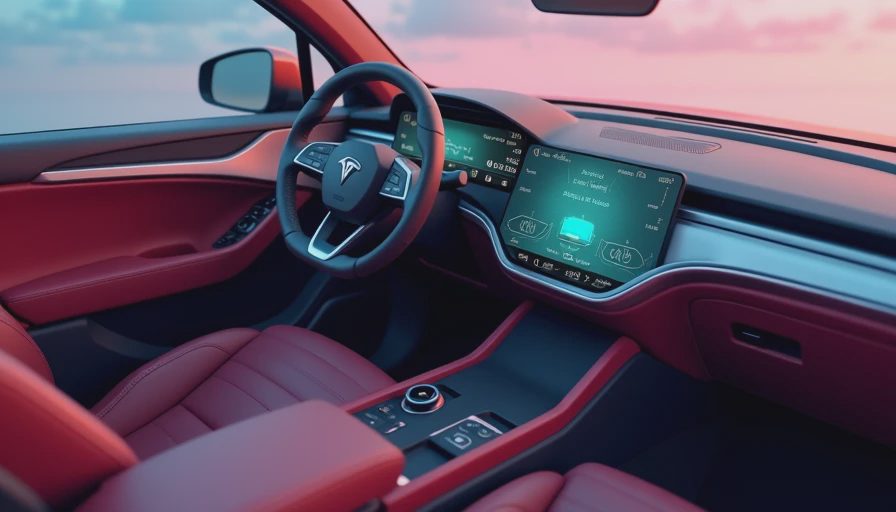
The Lexus advantage is not hidden in a specification sheet. It appears in contact points: seat cushioning, switch damping, road-noise isolation, upholstery choices, and the way the dashboard materials meet. The RZ interior generally feels more deliberate than the Toyota cabin, with a quieter presentation and more premium trim execution. That does not mean every surface is soft or every control is perfect. It means the expensive parts are easier to notice during a 45-minute commute.
The bZ4X cabin is practical and clean, but its interior design prioritizes function over ceremony. Materials can feel durable rather than luxurious, and some controls remind you that this is a mainstream crossover sharing an electric platform with a premium relative. That is not a defect if the price difference buys more range, winter tires, or a home charger. It is a defect only if the buyer expects Lexus-level isolation after choosing Toyota-level pricing.
In the lexus rz300e 2026 range interior luxury vs toyota bz4x decision, seating position and visibility deserve more weight than a stitched dashboard. Sit in both vehicles with the driver seat adjusted for your actual leg length. Test the rear bench behind that position. Check whether the center console swallows a phone, whether the cargo floor handles a bulky stroller, and whether the infotainment screen creates glare at sunset.
Software, displays, and daily friction
The RZ and bZ4X share family DNA, but their software presentation and feature packaging can differ by trim and model year. Confirm wireless Apple CarPlay and Android Auto, navigation behavior, charging-route planning, remote climate controls, and the number of physical controls for temperature and volume. These are small details until a freezing morning turns a two-screen setup process into a personal grievance.
A proper test procedure takes 15 minutes. Pair a phone, set a destination, search for a charging stop, change the climate temperature, and cancel the route. Then repeat the tasks after turning the car off and back on. Note response time, menu depth, voice-command accuracy, and whether the vehicle remembers the driver profile. OTA update capability is useful, but the existence of updates is not evidence that an automaker will fix every regression quickly.
The Lexus can feel more composed because greater cabin quietness makes interface delays more noticeable. Toyota buyers often accept a simpler experience in exchange for a lower entry cost and familiar dealer support. Neither approach eliminates the need to test the actual software version installed in the car.
Ownership costs and equipment logic
Pricing changes quickly, especially when federal, state, utility, dealer, or lease incentives enter the picture. Compare the net transaction rather than the window sticker. A Lexus lease can narrow the monthly gap, while a Toyota purchase can preserve cash for charging equipment. Insurance, tires, electricity rates, and scheduled service also belong in the worksheet. Neither electric SUV needs routine oil changes, but tire replacement and collision-repair costs can still be meaningful.
Start with the equipment you genuinely need. Heated seats, a heat pump, a surround-view camera, adaptive cruise control, and a useful cargo package can matter more than a premium audio badge. If the Toyota includes the required safety and charging features for several thousand dollars less, that difference is difficult to justify with cabin trim alone. If a quiet commute and refined seating are the priority, the Lexus premium becomes easier to defend.
Which one fits the evidence?
The lexus rz300e 2026 range interior luxury vs toyota bz4x comparison points to the Lexus for drivers who value silence, materials, and a more premium daily environment, especially when front-wheel-drive range is sufficient. It points to the Toyota for shoppers focused on price, practical space, dealer familiarity, and equipment value. The bZ4X is not automatically the sensible choice, and the RZ is not automatically the better engineered choice; the spreadsheet needs real trim data.
Before signing, perform one cold-start software test, inspect the tire and wheel combination, confirm the battery warranty, and ask for the exact charging specifications in writing. Record the VIN and model-year build sheet. If the final 2026 Lexus data changes the battery, range, or standard equipment, update the comparison rather than forcing an old conclusion to survive.
For now, lexus rz300e 2026 range interior luxury vs toyota bz4x is best understood as a trade: Lexus spends more of the budget on refinement, while Toyota leaves more of it available for ownership costs. Drive both on the same route, log the numbers, and let the evidence do the arguing.

No letters yet — be the first guest to write.