The ioniq 6 2026 deserves to be evaluated like a networked device with four tires, not just as a fast electric sedan. The important questions are not limited to range, styling, or the size of the center screen. Which cockpit hardware is installed? What operating system version does the car report? Can an over-the-air update change a useful feature without explaining the regression? Those questions matter to anyone who has ever watched a promising update turn a stable interface into a small daily troubleshooting project.
This is not a spec-sheet prediction. Model-year equipment, software, pricing, and availability should be confirmed from a window sticker, vehicle identification number, dealer documentation, and the car’s own settings menu. The useful approach is to create an evidence trail before purchase, then compare that trail with real ownership costs and insurance quotes.
What ioniq 6 2026 research should record
Start with a timestamped vehicle record. Capture the VIN, odometer reading, market, trim, battery information shown by the vehicle, and the software build displayed under system settings. Photograph the software screen rather than relying on a seller’s phrase such as “fully updated.” That phrase describes a condition, not a version.
For ioniq 6 2026 listings, record whether the car has the same driver-assistance controls, infotainment layout, phone integration, and charging menus described in the listing. A mismatch can result from trim differences, a market-specific configuration, or an update that changed menu locations. None of those explanations is automatically alarming, but each should be traceable.
The cockpit also deserves a cold-start test. Sit in the parked vehicle, start it, connect a phone, adjust climate settings, open navigation, and switch profiles. Note boot time, touch response, audio interruptions, and whether the car remembers preferences after being powered down. Ten minutes of controlled testing is more informative than an hour of tapping randomly while a salesperson waits.
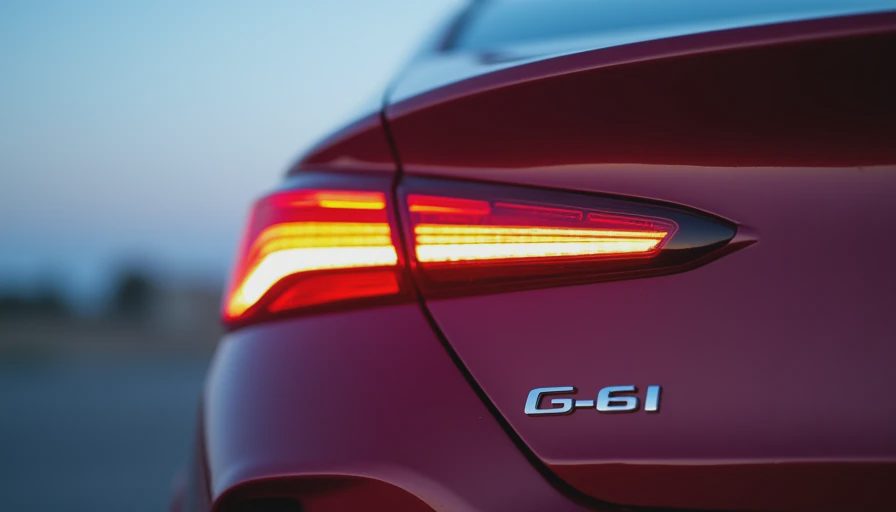
ioniq 6 2026 cockpit evidence: hardware before opinions
A practical ioniq 6 2026 review should separate hardware limits from software defects. A slow animation, delayed voice response, or choppy map redraw could originate in the processor, memory pressure, network conditions, or an application problem. Without identifying the platform, owners often argue about symptoms while describing different cars.
Look for stable identifiers in the system-information screen, service documentation, or diagnostic material that can be verified. Record the exact operating system build, navigation database date, connected-services status, and phone model used during testing. Reproduce the same action three times. For example, wake the voice assistant from the driver’s seat, request a nearby charging location, cancel the route, and repeat after the vehicle has been driven for twenty minutes.
A useful log includes the local time, outside temperature, battery state of charge, cellular signal, phone connection method, and result. “Voice assistant bad” is a complaint. “Assistant failed to recognize the charging request twice after a warm restart, then worked after Bluetooth was disconnected” is evidence. The latter can be searched, compared, and handed to a service department without requiring everyone to guess.
OTA updates need a test protocol
Treat ioniq 6 2026 OTA behavior as a version-control problem. Before accepting an update, photograph the current build and write down the functions that matter: wireless phone connection, route planning, charging-station search, steering-wheel controls, camera views, and driver-profile persistence. If the vehicle provides release notes, save them locally. Cloud pages disappear, links change, and memory becomes surprisingly unreliable after an annoying commute.
After installation, wait for the vehicle to complete its restart sequence. Then repeat the same tests under similar conditions. Test once while parked and again after a normal drive. Check whether the update changed startup behavior, audio routing, climate controls, map data, or assistance warnings. A feature that still exists but now requires three additional taps is a usability regression, even if the marketing description remains technically accurate.
Do not use an OTA update as a substitute for a safety repair. If a warning appears, a camera fails, or a driver-assistance function behaves unexpectedly, stop testing in traffic and arrange professional inspection. Screenshots, build numbers, and reproduction steps make that appointment more productive than a vague account of “the car acting weird.”
Ownership cost includes insurance and charging
With ioniq 6 2026 purchase planning, insurance belongs in the first spreadsheet, not the final checkout screen. Get quotes using the actual trim and VIN when available. A quote can change with repair costs, replacement-part availability, driver history, location, annual mileage, deductibles, and coverage limits. Two sedans with similar purchase prices can produce very different premiums.
Compare liability limits, collision coverage, comprehensive coverage, uninsured motorist protection, and the deductible. Collision generally covers damage from a crash, while comprehensive commonly addresses non-collision losses such as theft, weather, or animal impact. A $1,000 deductible can reduce a premium, but it also creates a larger cash requirement after a covered loss. Ask whether the policy offers rental reimbursement and how an electric vehicle is handled after a collision.
Charging costs deserve the same discipline. Record the utility rate, charging location, session duration, energy added, and any idle or membership fee. Home charging can be convenient, but installation may require an electrician, a suitable circuit, and local approval. Public charging is easier to start but can be expensive during high-demand periods. A realistic monthly estimate uses actual commuting miles rather than the maximum advertised range.
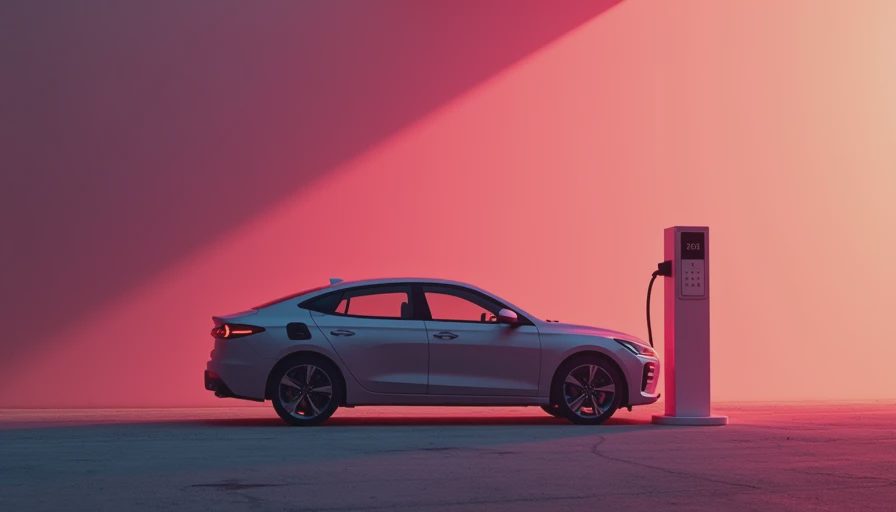
A five-step pre-purchase evidence pass
For a ioniq 6 2026 inspection, step one is identity: verify the VIN, trim, model year, mileage, and equipment against the listing. Step two is software: photograph the operating system, navigation database, connected-services status, and update screen. Step three is reproduction: run the same cockpit actions three times and note failures with time and conditions.
Step four is charging: confirm the charge-port operation, review available charging information, and inspect the cable or accessories included with the vehicle. Do not infer battery health from a single dashboard percentage. Step five is financial: request insurance quotes, estimate home and public charging, and price tires, service, registration, and potential accessories.
Bring a small notebook or use a spreadsheet with columns for version, scenario, expected result, observed result, and evidence file. A short video can show an intermittent failure better than a paragraph, while a screenshot preserves a build number that might change later. This process feels excessive until a seller says a feature worked “last week” and nobody can establish which software was installed.
What a useful ownership report looks like
A strong ioniq 6 2026 report opens with the vehicle identity, software version, hardware identifiers when verified, and test date. It then describes the scenario in enough detail for another owner to repeat it. Include the battery state, temperature, phone model, connection type, route context, and whether the car was cold or already running.
Separate observed facts from interpretation. “The map took eight seconds to display after route confirmation” is an observation. “The processor is underpowered” is a hypothesis that requires more evidence. Include successful runs as well as failures; otherwise the report becomes a complaint archive with no denominator and little diagnostic value.
The buying decision should follow the records. If the interface is responsive, the update history is understandable, the charging workflow fits your routine, and the insurance quote fits the budget, the sedan has earned further consideration. If a seller cannot provide basic identity or software information, walk away from the uncertainty rather than trying to debug it with your wallet.
Firmware does not need to be perfect to be acceptable. It does need to be measurable. For this model year, the best advantage belongs to the buyer who checks the build, repeats the test, saves the evidence, and prices the entire ownership system before signing.



No letters yet — be the first guest to write.