The Tesla Model Y vs Ford Mustang Mach E comparison is not a simple race between two electric crossovers. It is a comparison of software maturity, charging access, cabin behavior, driver-assistance boundaries, service workflows, and the cost of living with each vehicle after the delivery-day novelty wears off. Both are quick, practical EVs, but they expose very different assumptions about what a modern car should be.
Methodology: Compare the System, Not the Brochure
For this Tesla Model Y vs Ford Mustang Mach E comparison, I would evaluate four layers: hardware, firmware, charging, and ownership evidence. Hardware includes battery size, motors, suspension, seats, cameras, and display layout. Firmware includes navigation behavior, phone integration, driver-assistance alerts, app reliability, and the history of over-the-air updates.
The test should use the same route and similar weather. Record starting battery percentage, outside temperature, tire pressure, cabin temperature, traffic, and arrival percentage. A single highway trip is not a range test; it is one log entry. Repeat the route if possible, because wind, rain, and speed can move energy consumption more than a marketing estimate suggests.
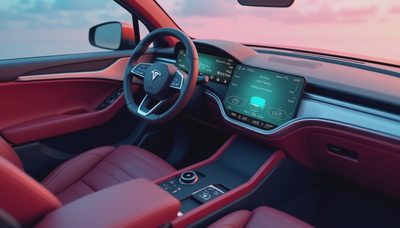
The Model Y typically presents a cleaner, more centralized software experience. The Mustang Mach-E uses Ford's more familiar cockpit layout, with a driver display, physical controls for important functions, and a large central screen. That difference matters. Tesla owners may appreciate fewer buttons, while Ford owners may prefer being able to adjust volume or climate settings without negotiating with a touchscreen.
Range, Efficiency, and Battery Behavior
The Model Y generally has the efficiency advantage, especially in Long Range configurations. Its aerodynamic shape and mature power-management software can reduce the amount of energy needed for a normal commute. The Mach-E offers strong usable range in selected trims, but larger wheels, all-wheel drive, cold weather, and high-speed driving can make consumption climb quickly.
Do not compare only the EPA range number. Ask how much range remains after a 70-mph highway run, how quickly the battery preconditions before a fast-charge stop, and whether the navigation system reliably routes through compatible chargers. A vehicle that starts with a higher estimate but arrives at a charger with a conservative buffer can be easier to plan than one that displays optimistic projections.
The Mach-E's battery and charging behavior have also been affected by model year, battery chemistry, and trim. A used buyer should inspect the original window sticker, battery type, wheel size, and software history instead of assuming every Mach-E behaves like every other Mach-E. The same caution applies to used Model Y inventory, where suspension revisions, hardware changes, and factory software versions can create meaningful differences.

Charging and Road-Trip Friction
The strongest practical advantage in this Tesla Model Y vs Ford Mustang Mach E comparison is charging-network integration. Tesla's Supercharger experience has historically been tightly connected to the vehicle's route planning, battery preconditioning, and payment workflow. Access for Ford vehicles has expanded through compatible charging solutions and adapters, but the experience depends on vehicle support, connector availability, account setup, and the condition of the individual station.
That does not make the Mach-E a poor road-trip vehicle. It means the owner should test the entire chain before a 700-mile trip: install the required app, confirm the adapter or connector, verify payment, and check whether the planned station supports the vehicle's charging rate. One failed authorization screen at a remote stop can turn a tidy travel schedule into an unplanned firmware debugging session.
At home, the difference is smaller. Both vehicles benefit from a properly installed Level 2 charger, overnight charging, and a charging schedule that avoids unnecessary battery time at a high state of charge. A renter or apartment resident should solve the charging question before selecting either vehicle. Public fast charging is useful backup infrastructure, not a substitute for a reliable weekly routine.
Software, Controls, and Driver Assistance
This is where the Tesla Model Y vs Ford Mustang Mach E comparison becomes more interesting than a specification sheet. Tesla's interface is cohesive and frequently updated, but many basic actions depend on the center display. Ford provides a more conventional physical environment while still adding connected services, smartphone integration, and OTA update capability.
Evaluate software with reproduction steps. Can the phone key connect after the vehicle sits overnight? Does navigation retain a charging stop after a route edit? Does the app show the correct battery state? Can the driver cancel an assistance feature without guessing which steering-wheel button changed state? Record the software version and the date. “The screen acted weird” is a complaint; “version 2025.12, cold boot, phone key unavailable for three minutes” is evidence.
Neither vehicle turns a driver into a passenger. Adaptive cruise control and lane-centering systems are assistance features that require active supervision. Tesla's available Full Self-Driving features have specific operating limits and do not remove the driver's responsibility. Ford's BlueCruise availability depends on the vehicle and subscription or trial terms, and hands-free operation is limited to supported roads and conditions.
Insurance, Repair Exposure, and Daily Costs
Insurance is an important part of the Tesla Model Y vs Ford Mustang Mach E comparison because premiums reflect more than purchase price. Insurers consider the vehicle's repair costs, claims history, driver profile, location, coverage limits, deductible, and safety equipment. An EV collision can involve sensors, cameras, calibration, aluminum or specialized body components, and battery-related inspection, all of which can affect repair timing.
Request quotes for the exact year, trim, ZIP code, and annual mileage before signing a purchase order. Compare identical liability limits, comprehensive and collision deductibles, rental reimbursement, uninsured motorist coverage, and roadside assistance. A quote with a $2,500 deductible is not genuinely cheaper than one with a $500 deductible unless the driver can comfortably fund that loss.
For a realistic budget, combine the premium with tires, charging equipment, registration, depreciation, and maintenance. The Model Y may benefit from widespread service knowledge and strong charging integration, while the Mach-E can appeal to buyers who prefer Ford dealers and a conventional cockpit. Dealer labor rates, local EV technicians, and parts availability can matter more than a small difference in efficiency.
A Practical Buyer Test Plan
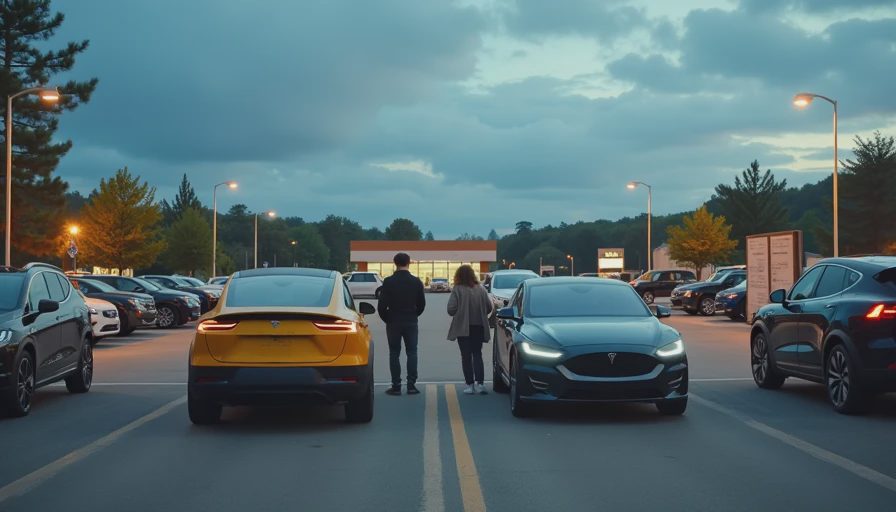
A useful Tesla Model Y vs Ford Mustang Mach E comparison can be completed in one careful weekend. First, drive both vehicles on the same urban route with repeated stops, tight turns, and rough pavement. Listen for suspension noise and observe whether the seating position remains comfortable after an hour. Second, drive each on a highway and note wind noise, lane-centering behavior, steering effort, and energy consumption.
Third, perform ordinary tasks rather than showroom theater. Load a stroller, work bag, groceries, or a pair of suitcases. Test rear visibility, hatch opening height, child-seat access, and the location of charging equipment. Fourth, use the apps from outside the vehicle. Lock and unlock the car, inspect battery status, start climate control, and locate the nearest charger. Capture screenshots when something fails.
Finally, inspect a used example with a scanner or qualified EV technician. Look for uneven tire wear, accident repairs, warning messages, missing charging cables, and incomplete service documentation. Ask which updates were installed and whether any open recall work remains. A clean software and maintenance history is worth more than a salesperson's claim that an issue is “probably just a glitch.”
Verdict for Data-Minded Buyers
The Tesla Model Y vs Ford Mustang Mach E comparison favors the Model Y for efficiency, charging integration, software cohesion, and a large existing fast-charging ecosystem. The Mustang Mach-E makes a stronger case for buyers who want a familiar cockpit, Ford dealer support, physical controls, and a more conventional vehicle interface.
Choose based on the failure modes you can tolerate. If charger planning and energy efficiency dominate your driving, the Model Y is the logical starting point. If tactile controls, traditional ergonomics, and local dealer access matter more, the Mach-E deserves a serious test drive. Before committing, gather a real insurance quote, verify home charging, record software versions, and compare used examples by trim and battery configuration. The best EV is not the one with the loudest feature list; it is the one whose complete system behaves predictably on an ordinary Tuesday.

No letters yet — be the first guest to write.