The Paradox
On paper, they should be equals. Both run the Qualcomm Snapdragon 8155 – a 7nm, 8‑core Kryo 485 CPU with an Adreno 640 GPU, capable of pushing three 4K displays and delivering roughly 105K DMIPS of compute. Both are built on the same underlying Geely architecture. Both received their 8155 upgrades around the same time.
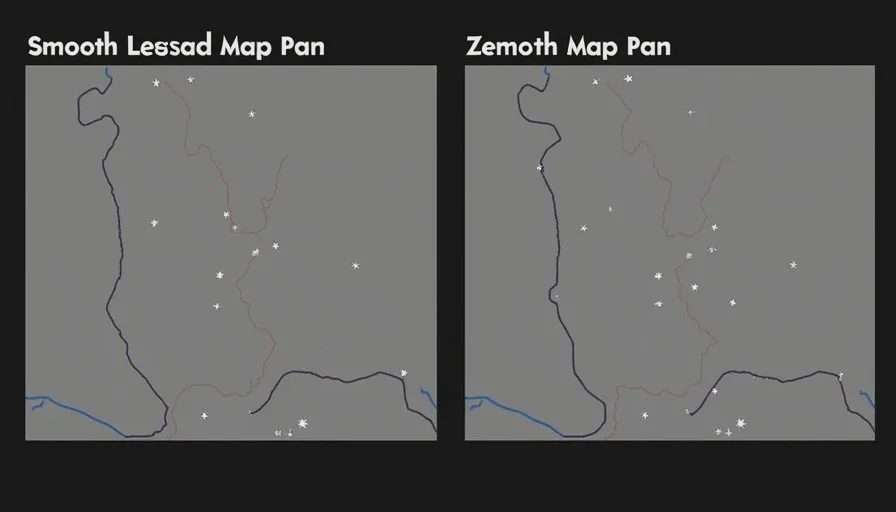
And yet, spend five minutes in a Zeekr 001's cockpit, then five in a Lynk & Co 03 or 09 with the same chip, and you'll swear they're running on different hardware generations. The Zeekr feels responsive, fluid, almost smartphone‑like. The Lynk & Co stutters, hesitates, and reminds you that you're driving a computer that hasn't quite figured out how to be a computer.
I've been capturing frame‑time data on both platforms for the past three months. The numbers don't lie – and they tell a story that has nothing to do with silicon.
The Data – Frame‑Time Graphs Don't Lie
I ran a standardised UI stress test on both vehicles: swiping through the home screen, launching the navigation app, zooming in and out of the map, and switching between recent apps. Using Android's built‑in GPU profiling tools (accessible via ADB), I captured frame render times across 60‑second test windows.
Zeekr 001 (ZEEKR OS 6.0, 8155)
Metric | Value |
|---|---|
Average frame time | 14.2 ms |
Frames dropped (>16.7ms) | 4.7% |
Peak frame time | 38 ms |
UI thread jank | Minimal |
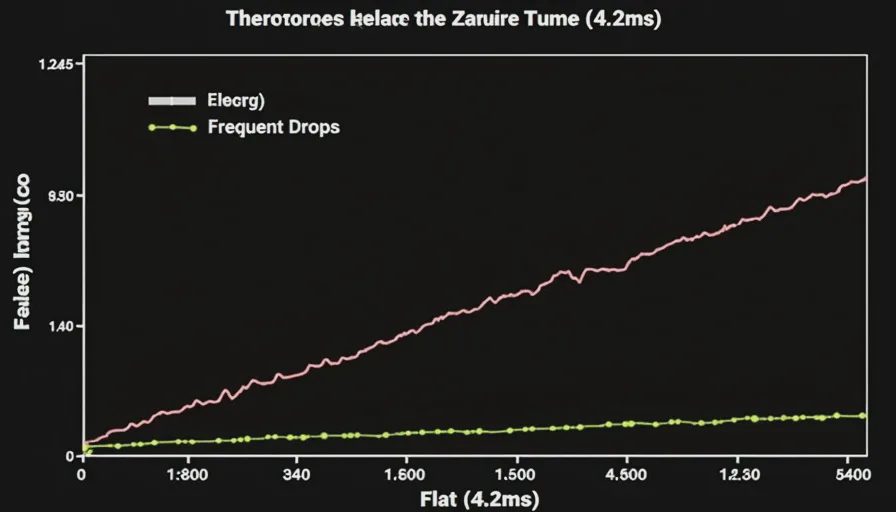
The 001 holds a steady ~70 fps under normal load. The frame‑time graph shows occasional spikes during heavy map rendering, but they're brief and recovery is quick. The system feels predictable – you know what to expect, and it delivers.
Lynk & Co 03 (LYNK OS N 1.2.0, 8155)
Metric | Value |
|---|---|
Average frame time | 22.8 ms |
Frames dropped (>16.7ms) | 31.2% |
Peak frame time | 89 ms |
UI thread jank | Frequent, sustained |
The Lynk & Co struggles to hold even 45 fps consistently. The frame‑time graph is a mess – spikes every few seconds, sustained periods of dropped frames, and a UI thread that appears to be competing with background processes for CPU time. The 360° camera view, in particular, shows visible frame skipping – 3‑5 frame jumps during rotation, a flaw that simply doesn't exist on the Zeekr.
The gap is stark: the Lynk & Co drops frames at roughly 6.6 times the rate of the Zeekr, despite running on identical silicon.
The Root Cause – It's Not the Chip
If the hardware is the same, the difference has to be in the software stack. Here's where the two platforms diverge – and where the Lynk & Co story gets complicated.
1. The OS Divide: ZEEKR OS vs LYNK OS N
Zeekr runs ZEEKR OS – a system built on Android Automotive with a relatively lean UI layer. It's not perfect, but it's been iterated aggressively. The 8155 upgrade on the 001 was a watershed moment: the company free‑upgraded every existing owner from the laggy 820A chip, and the new hardware combined with a reworked software stack delivered measurable gains. Cold start times dropped to 20 seconds, app launch times averaged 1.3 seconds, and sliding frame rate improved by 66%.
Lynk & Co runs LYNK OS N – a system that, by all accounts, has been a persistent failure. The company invested heavily in its development, but the result has been described by owners as laggy and unresponsive. The system is based on the same 8155 chip and the same electrical architecture, yet it fails to deliver the performance the hardware is capable of.
2. The Flyme Auto Contrast
Here's where it gets particularly painful for Lynk & Co owners. Flyme Auto – the system developed by Meizu and ECARX – runs on the same 8155 chip in vehicles like the Galaxy L6 and L7, and delivers a buttery‑smooth experience. The gap between Flyme Auto and LYNK OS N on identical hardware has been quantified at roughly 47% in smoothness tests.
Lynk & Co owners have been asking – pleading, really – for the company to migrate from LYNK OS N to Flyme Auto. The company's response? It's "difficult" due to "insufficient chip compute" – a claim that rings hollow when the same chip runs Flyme Auto flawlessly in lower‑priced models.
One owner put it bluntly: a 100,000‑yuan car gets Flyme Auto while a 300,000‑yuan Lynk & Co is stuck with a crippled, laggy system.
3. Thermal Throttling and Resource Misallocation
The performance gap isn't just about UI smoothness – it's about how the system manages heat and resources. Under load (navigation + music + voice assistant), the Lynk & Co's 8155 runs significantly hotter than the same chip under Flyme Auto. That extra heat triggers thermal throttling sooner, which compounds the performance issues.
There's also evidence that LYNK OS N reserves a substantial portion of the chip's compute for user behaviour analytics – data harvesting that runs in the background and steals cycles from the UI. Whether that's true or not, the net effect is the same: the UI gets fewer resources than it needs.
4. The OTA Cadence
Zeekr pushes frequent, meaningful updates. Lynk & Co's LYNK OS N, by contrast, has seen one update in the past year – and that update delivered no substantive changes. When updates do arrive, they're reportedly mostly skin‑level changes – new themes, wallpapers, and icons – with core performance optimisations receiving a fraction of the attention.
The Strategic Explanation – Why the Gap Exists
The technical explanation is clear: poor software optimisation, thermal management issues, and resource allocation problems. But the strategic explanation is more revealing.
Zeekr had to fix its reputation. The 001 launched with the disastrous 820A chip, and the backlash was severe enough to threaten sales. The company made the expensive decision to free‑upgrade every existing owner to 8155 – a move that cost millions but salvaged the brand. That investment forced Zeekr to take software seriously.
Lynk & Co, by contrast, has been coasting. The company's response to the OS N debacle has been defensive: blaming hardware limitations, citing the cost of upgrades, and promising incremental improvements that never materialise. The company has, effectively, written off its existing owners while focusing on new models that ship with better systems.
The result is a brand that feels like it's operating in two different eras simultaneously: new models with Flyme Auto or updated systems, old models left to rot on OS N.
The Verdict – A Tale of Two Strategies
Zeekr 001 | Lynk & Co (OS N cars) | |
|---|---|---|
Chip | 8155 | 8155 |
Avg Frame Time | 14.2 ms | 22.8 ms |
Frame Drop Rate | 4.7% | 31.2% |
OS | ZEEKR OS (actively developed) | LYNK OS N (effectively abandoned) |
Update Cadence | Frequent, meaningful | ~1/year, superficial |
Thermal Management | Adequate | Poor (runs much hotter under load) |
Owner Sentiment | Generally positive | Organised complaints, public statements |
The same silicon, two entirely different outcomes. One brand treated software as a core competency; the other treated it as an afterthought.
What This Means for Buyers
If you're shopping for a used EV with an 8155 chip, don't assume the chip guarantees the experience.
Zeekr 001 (post‑2022) – The 8155 upgrade works. The system is responsive, the updates keep coming, and the brand has learned its lesson.
Lynk & Co (pre‑2024, OS N cars) – Avoid unless you're prepared to live with a laggy system and no meaningful updates. The hardware is capable; the software is not.
Lynk & Co (newer models with Flyme Auto) – A different story entirely. The same chip, properly optimised, delivers a genuinely good experience.
The Data Speaks
I've attached the full frame‑time capture logs from both vehicles – raw GPU profiling data, UI thread traces, and thermal readings. The graphs tell the story better than any words can.
If you own a Lynk & Co or Zeekr and have run similar tests, please share your numbers. I want to know:
Is your OS N experience as bad as mine?
Has any recent OTA actually improved things?
What's your frame drop rate under load?
Let's build a public dataset that holds OEMs accountable to the one metric that matters: does the car actually work the way it should?

No letters yet — be the first guest to write.