A portable ev charger is not automatically a faster, smarter, or safer answer to every charging problem. It is a movable electric vehicle supply device, usually connected to a standard household outlet or a higher-voltage receptacle, and its usefulness depends on power, cable design, outlet condition, and your driving pattern. Treat it like a small piece of electrical infrastructure rather than a magic cable in a carrying case.
For a commuter covering 30 miles a day, a basic Level 1 unit can restore enough range overnight. For a driver returning to an apartment after a 180-mile trip, the same setup can feel like a firmware update stuck at 2 percent. The right choice starts with measured requirements, not a dramatic product photo.
What a portable EV charger actually does
Most portable EV chargers sold in the United States are Level 1 or Level 2 units. Level 1 uses a 120-volt household outlet and often adds roughly 3 to 5 miles of range per hour, depending on the vehicle and circuit. Level 2 uses 208 or 240 volts and can commonly add around 20 to 40 miles per hour, though the vehicle's onboard charger sets the final ceiling.
A portable ev charger does not replace the onboard charger inside the vehicle. It communicates with the car, controls current, and provides safety monitoring while alternating current is converted to battery power by the vehicle. That distinction matters when comparing a 32-amp unit with a 40-amp unit: a car limited to 7.2 kilowatts will not charge at 9.6 kilowatts just because the cable advertises it.
Check the connector first. A J1772 plug fits most non-Tesla electric vehicles and plug-in hybrids, while newer Tesla vehicles use a North American Charging Standard connector. Adapters can be useful, but they introduce another contact point and another component to inspect. Confirm compatibility with the exact model year, not merely the brand.
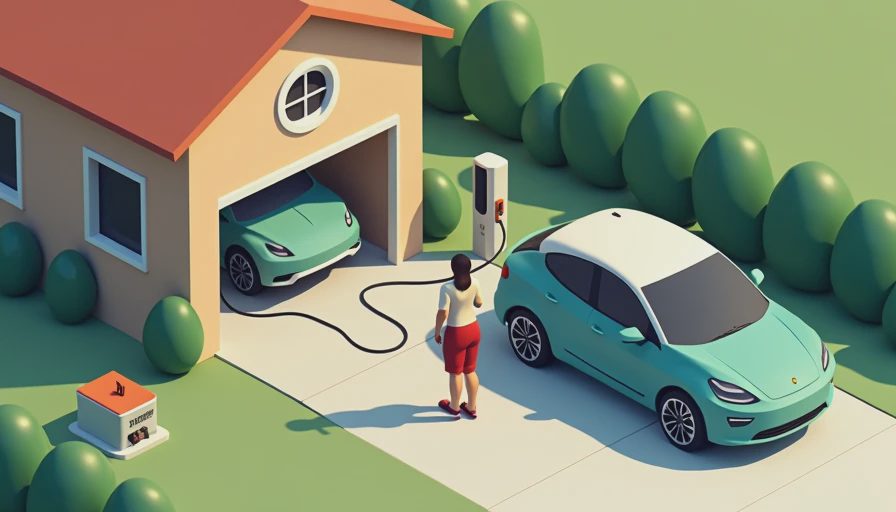
Read the electrical label before buying
The label is more informative than the headline wattage. Look for voltage range, maximum amperage, continuous current rating, NEMA plug type, weather-resistance rating, and required breaker size. A 14-50 plug is common for Level 2 charging, but a 14-50 receptacle is not proof that the wiring is suitable for continuous high-current charging.
Under common electrical practice, continuous loads are generally designed around 80 percent of a circuit's rated capacity. That means a 40-amp charging load typically calls for a 50-amp circuit, while a 32-amp load is often paired with a 40-amp circuit. Have an electrician verify the installation, especially in an older garage with warm outlets, aluminum wiring, loose terminals, or unknown modifications.
A portable ev charger with adjustable current is often more useful than one with the biggest possible number. Selecting 16 amps on a marginal circuit can be safer than forcing 32 amps through an outlet that was installed decades ago. Stop immediately if the plug, receptacle, or cable becomes unusually hot, smells like melting plastic, shows discoloration, or trips the breaker repeatedly.
Features worth paying for
The valuable features are boring, which is usually a good sign. A temperature sensor in the plug can reduce current when heat rises. Ground-fault protection, an error display, weather-resistant construction, and a durable strain relief are more important than a decorative screen. A long cable can prevent parking gymnastics, but it also adds weight and creates more places for abrasion to occur.
A portable ev charger designed for outdoor use should have a clear ingress-protection rating and a connector cap that actually seals. Do not leave the control box sitting in standing water, bury the cable under a tire, or run it through a doorway where it can be crushed. Rain resistance does not mean every component is safe when submerged.
Brand selection deserves a technical approach. Tesla, Ford, ChargePoint, Emporia, Lectron, and Grizzl-E offer products across different connector and power categories, but model specifications matter more than the logo. Compare warranty terms, replacement cable availability, certification markings, and support documentation. A cheap unit that becomes unusable after one failed control box is not cheap transportation.
Charging speed, battery size, and real range
Use a simple calculation before spending money. If a vehicle accepts 7.2 kilowatts and charging losses consume roughly 10 to 15 percent, a 10-hour overnight session might deliver approximately 61 to 65 kilowatt-hours to the battery. The exact result changes with temperature, state of charge, battery chemistry, and the vehicle's charge curve.
A portable ev charger rated at 16 amps on 120 volts delivers only about 1.9 kilowatts before losses. That is enough for routine top-ups when the car is parked for 10 hours, but not enough to recover a depleted large battery quickly. On a 240-volt circuit, a 32-amp unit delivers about 7.7 kilowatts, making overnight charging substantially more practical for many vehicles.
Do not confuse charger power with driving range. Cold weather, high speed, roof racks, tire pressure, cabin heating, and repeated short trips can change consumption more than a brochure suggests. Log energy added and miles driven for a week. That baseline will tell you whether a faster setup solves a real constraint or merely satisfies the specification sheet.
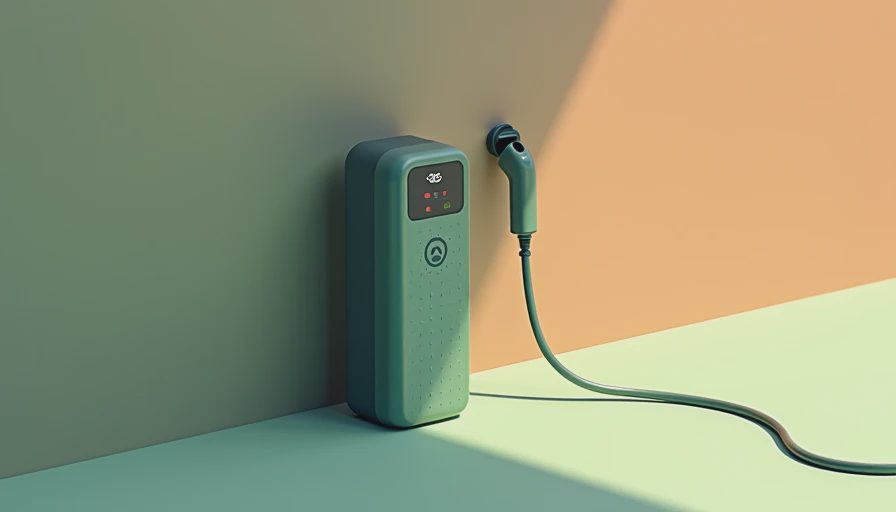
Safety, storage, and insurance questions
The most common failure point is often the building's electrical connection, not the vehicle. Keep the portable ev charger off the ground when practical, inspect it before each use, and coil it loosely without sharp bends. Store it dry and protected from direct sun. Never use an extension cord unless the manufacturer and a qualified electrician specifically approve the exact application; ordinary household cords can overheat under a sustained load.
Insurance coverage depends on the policy and the source of damage. A permanently installed home charging station may be treated differently from a removable cable damaged in a collision, theft, or fire. Auto insurance comprehensive coverage generally addresses non-collision losses to a covered vehicle, while homeowners or renters insurance may apply to certain personal property or premises-related losses. Neither policy should be assumed to cover every charging accessory automatically.
Tell your insurer about a permanently installed charger if it affects the property or electrical system, and keep receipts, photographs, installation records, and serial numbers. If a portable ev charger is damaged after being left outside, coverage could turn on the policy language, deductible, cause of loss, and whether the item is considered vehicle equipment or household property. A quick coverage review is cheaper than reconstructing the purchase after a claim.
A practical buying and testing checklist
Start with the vehicle: connector type, maximum AC charging rate, and the charging schedule you actually need. Next, inspect the available outlet. Record the receptacle type, breaker rating, cable distance, and whether the circuit is shared with a freezer, tools, or another heavy load.
Then compare three scenarios. A basic 120-volt setup may cost roughly $200 to $500 and suit low-mileage overnight charging. A quality adjustable Level 2 portable ev charger can fall near $300 to $800, before electrical work. A dedicated wall-mounted installation can cost more because the circuit, conduit, labor, and permit requirements add to the hardware price.
After installation or first use, test at the lowest practical current. Check the plug temperature after 30 minutes, then again after several hours. Confirm that the vehicle reports stable power and that the breaker remains cool and engaged. Save the first successful session's amperage, voltage, energy delivered, and ambient temperature. If a later session behaves differently, you have evidence instead of a vague feeling that the cable has developed opinions.
A portable ev charger is a useful tool when its limits are documented. Choose the connector that fits, match current to verified wiring, buy safety features instead of decorative software, and review insurance before relying on the setup every night. The result is not just more range; it is a charging system you can inspect, reproduce, and trust.

No letters yet — be the first guest to write.