A 2016 nissan leaf can be an inexpensive entry point into electric driving, but a low purchase price does not tell you what ownership will cost. Battery condition, charging equipment, repair procedures, and the vehicle’s trim all affect an insurance quote. A careful buyer should treat the car like a small technical system, not merely an older hatchback with a green badge. The useful evidence includes battery capacity, mileage, accident history, charging behavior, and the exact coverage offered by each insurer.
For insurance purposes, the vehicle identification number, garaging ZIP code, driver history, annual mileage, and selected limits usually matter more than the car’s original sticker price. Still, the 2016 nissan leaf deserves a closer review because electric components can change repair economics. Collision coverage pays for damage from a crash after the deductible, while comprehensive coverage generally addresses non-collision losses such as theft, hail, falling objects, and some animal damage. Neither coverage is designed to pay for ordinary battery aging.
What to inspect before requesting quotes
Start with the battery, because it is the most important condition variable. The 2016 nissan leaf was sold with different battery configurations depending on trim and market, and usable range declines as lithium-ion cells lose capacity. Do not rely on the dashboard range estimate alone. Ask for a battery health reading, review the capacity bars, and compare the estimated range after a full charge with the seller’s maintenance records. A short test drive cannot reveal every degradation pattern, especially in mild weather.
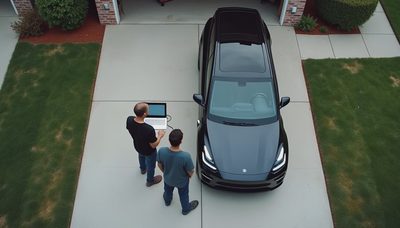
Record the odometer, tire condition, brake feel, charging-port condition, and included cables. Look for warning lights and confirm that both Level 1 and Level 2 charging work if the equipment is available. A missing portable charging cable can cost several hundred dollars to replace, while a damaged home charging setup is usually a separate property issue rather than an automatic part of the auto policy. Photograph the dashboard, VIN plate, exterior panels, and charging equipment before purchase. This creates a baseline if a later claim requires proof of pre-loss condition.
The 2016 nissan leaf also benefits from a diagnostic scan and a service-history review. Ask whether the car has had collision repairs around the front bumper, underbody, charging port, or battery enclosure. Modern repair estimates can include calibration, sensors, wiring, and specialized labor even when the visible damage looks minor. A $1,500 cosmetic repair and a $6,000 electrical repair can begin with a similar-looking parking-lot impact.
Coverage choices for an older electric car
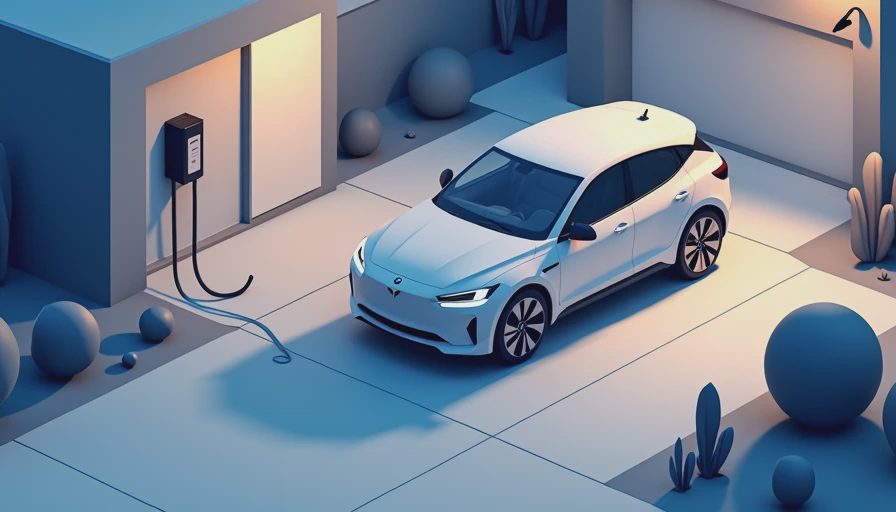
Liability coverage is the legal and financial foundation of an auto policy. It pays for injuries or property damage you cause to others, subject to policy limits. Because medical bills and vehicle replacement costs can exceed minimum limits quickly, many owners choose higher bodily injury and property damage limits when their budget allows. Uninsured and underinsured motorist coverage can also be valuable if another driver causes a crash without enough insurance.
Collision coverage is the main protection for damage to your own 2016 nissan leaf after a collision, minus the chosen deductible. Comprehensive coverage handles qualifying non-crash events. If the car is financed, the lender will commonly require both. If it is paid off, compare the annual premium with the vehicle’s actual market value and your ability to replace it. A $1,000 deductible can reduce the premium, but it also means keeping $1,000 available after a covered loss.
Ask specifically how the insurer handles original equipment parts, aftermarket parts, battery-related damage, and total-loss valuation. Policies differ in language and claims practice. A replacement battery for an older EV is not automatically owed simply because the battery has aged; coverage generally depends on whether a covered event caused the damage. Gap insurance is another separate product to consider for a financed vehicle, although an older, inexpensive car may have little gap exposure.
Why quotes can differ between insurers
Insurance companies use different rating models, repair networks, claims histories, and discounts. GEICO, Progressive, State Farm, Allstate, and regional carriers can produce very different prices for the same driver and 2016 nissan leaf. That difference does not automatically mean one company is mispricing the car. It may reflect underwriting appetite for electric vehicles, local claim costs, deductible choices, or how the carrier values an older vehicle after a total loss.
Request matching quotes with identical liability limits, deductibles, rental reimbursement, medical payments, and uninsured motorist selections. Otherwise, the cheapest result may simply contain less protection. Rental reimbursement deserves attention because EV parts and battery inspections can extend repair time. Coverage might provide a daily rental allowance, but the policy’s vehicle-class limits may not guarantee an electric replacement or cover every charging-related inconvenience.
Bundling renters or homeowners insurance can reduce the combined premium with some carriers. Paying in full, using automatic payments, maintaining a clean driving record, and qualifying for defensive-driving or low-mileage programs may also help. Telematics programs can lower premiums for some drivers, but review the privacy terms and scoring rules before enrolling. Save every quote with its date, limits, deductibles, and vehicle assumptions; otherwise, comparison becomes memory theater.
Building a defensible ownership log
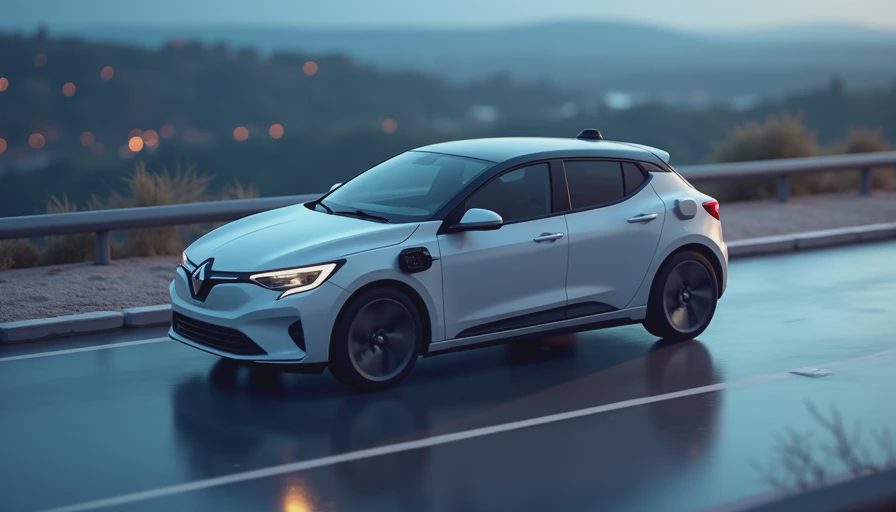
A technical log makes both purchase decisions and future claims easier. Create one entry for the inspection date, current mileage, battery reading, tire tread, charging behavior, warning messages, and visible damage. Keep receipts for tires, brakes, cabin filters, charging cables, and electrical work. Normal maintenance does not prove that a future loss is covered, but it can establish how the vehicle was maintained before the incident.
For a software or infotainment complaint, write the system version, date, outside temperature, battery state of charge, connected phone, and exact reproduction steps. The 2016 nissan leaf is not a modern always-online cockpit, so do not assume every behavior can be fixed through an OTA update. A failed Bluetooth connection, navigation issue, or charging-timer problem may involve the head unit, phone compatibility, settings, or a physical component. A clean log prevents a vague complaint from becoming an expensive parts lottery.
If a crash occurs, photograph the scene when safe, exchange insurance information, and notify the carrier promptly. Do not dismantle high-voltage components or attempt an improvised battery repair. Follow the insurer’s instructions for towing and inspection, and use a qualified repair facility familiar with EV safety procedures. Keep copies of estimates, supplements, storage charges, and communications.
A practical buying and quoting sequence
First, verify the VIN and trim. Second, obtain the battery condition evidence and service history. Third, price liability-only coverage and full coverage separately. Fourth, compare the result with the vehicle’s value, loan balance, and emergency savings. Fifth, select deductibles you could actually pay after a stressful claim. This sequence prevents a buyer from choosing a car based on a $7,000 listing price and discovering that the total monthly ownership cost is far higher.
For example, a commuter driving 6,000 miles annually might prioritize low-mileage pricing, roadside assistance, and comprehensive coverage for weather or theft. A driver with a long highway commute may place more value on collision coverage, rental reimbursement, and higher liability limits. The best setup is not universal; it is the one that matches the car’s condition, the driver’s exposure, and the household’s cash reserve.
The 2016 nissan leaf can make sense when its battery condition is documented, its charging needs fit the owner’s routine, and the insurance cost is checked before the purchase contract is signed. Get at least three comparable quotes, ask direct questions about battery damage and total-loss valuation, and retain the inspection record. Data will not eliminate every surprise, but it usually beats discovering a coverage gap after the dashboard has gone dark.
No letters yet — be the first guest to write.