The phrase gravity 2027 updates ota features bugs lucid describes a useful research problem, not a confirmed release schedule. The Lucid Gravity is a software-defined SUV, and its ownership story will depend as much on version history as on range, seating, and charging speed. For a buyer, the important question is simple: which features improved, which bugs survived, and which complaints were never reproduced?
A clean OTA record should include the vehicle software version, installation date, battery state, network conditions, and the exact behavior observed afterward. Without that information, “the update broke my car” is a signal, not evidence. The frustration is understandable. The log file is still more useful.
What a 2027 Gravity update should be evaluated against
A 2027 software update should be judged against a baseline, not against a launch video. Record how the vehicle behaves before installation. Test phone pairing, Bluetooth audio, navigation rerouting, charging-session display, driver-assistance alerts, cabin controls, and the digital key. Capture screen recordings when possible, but do not film while driving. A parked test with timestamps is enough to establish a before-and-after comparison.
For gravity 2027 updates ota features bugs lucid research, version numbers matter more than vague labels such as “major improvement.” A useful entry might read: “Vehicle software 2.3.14, installed August 8, 2027; wireless CarPlay connected after 42 seconds before update and failed twice after update; Pixel phone, home Wi-Fi, 68 percent battery.” That format allows another owner to reproduce the scenario instead of merely agreeing with the mood.
Expected improvement areas include faster interface response, fewer wake-word failures, smoother route planning, clearer charging estimates, and more reliable driver profiles. Those are reasonable test targets, not promises. Lucid can change feature availability by vehicle configuration, market, hardware generation, or subscription status, so a missing menu is not automatically a defect.
Separating OTA bugs from hardware and network problems
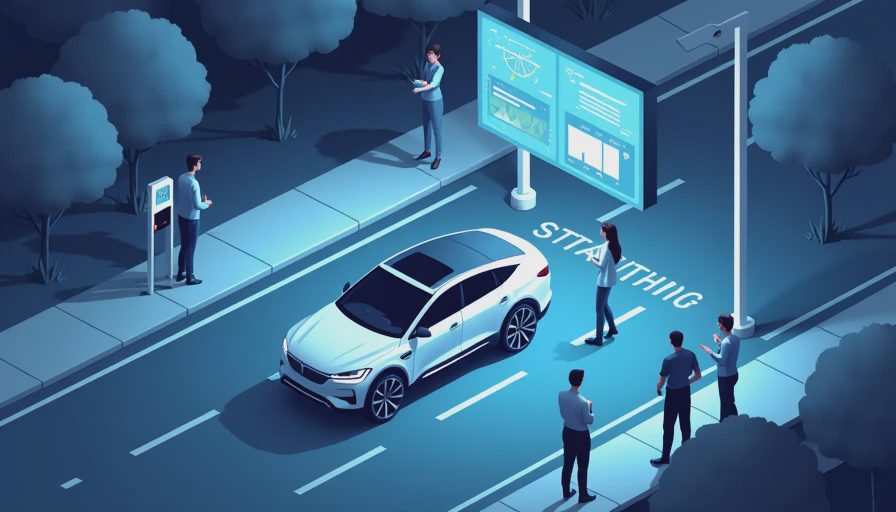
The difficult part of gravity 2027 updates ota features bugs lucid tracking is attribution. An OTA bug is more likely when the same hardware behaves differently immediately after installation, particularly across repeated tests. A network problem is more likely when behavior changes with weak cellular coverage, a congested Wi-Fi network, or a phone that has recently changed operating-system settings. Hardware becomes more suspect when the failure appears across multiple software versions and does not follow a particular connection.
Use a controlled sequence. First, park safely and note the software version. Next, restart the infotainment system using the documented vehicle procedure, then repeat the test with the same phone, cable, account, and location. If the failure remains, try a second compatible phone or profile. Do not factory-reset the vehicle as a first response; that can erase useful configuration evidence and make the original state harder to reconstruct.
A strong report includes reproduction frequency. “Navigation froze once” is weak but still worth recording. “Navigation froze four times in six trips, always after adding a charging stop while the battery was below 20 percent” gives engineers something actionable. Include whether the vehicle recovered on its own, required a reboot, or affected driving functions. A cosmetic delay and a warning that disables an assistance feature should never be presented as equivalent problems.
Features worth testing after installation
The most visible 2027 changes will probably involve the cockpit, but visible is not the same as valuable. Test the complete path from command to result. For voice control, record whether the system hears the wake phrase, understands the request, confirms the action, and completes it. For navigation, compare route calculation, traffic updates, charging-stop logic, and arrival-state estimates. For media, check source switching, volume memory, album artwork, and reconnection after the vehicle sleeps.
For gravity 2027 updates ota features bugs lucid reports, driver assistance deserves a separate category. Test alerts only in lawful, controlled conditions and never treat a software update as permission to remove attention from the road. Record false alerts, unavailable functions, camera obstruction messages, and whether settings persist after a restart. A feature that works for one drive but resets after every ignition cycle is not fixed in any meaningful ownership sense.
Also inspect small features that create daily friction: seat and mirror profiles, charging schedules, climate presets, trunk behavior, app notifications, and lock status. These are the functions owners touch repeatedly. A release that adds a polished animation while breaking scheduled charging has chosen its priorities in a way worth documenting.
Reading owner reports without overreacting
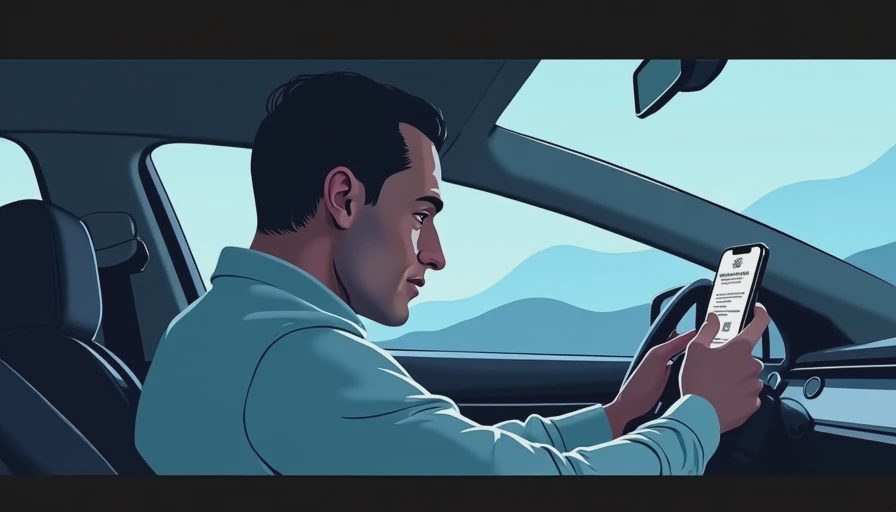
Search results about gravity 2027 updates ota features bugs lucid will naturally overrepresent failures. Owners with a silent, successful installation rarely create a long forum post titled “Everything behaved normally.” That does not make complaints worthless. It means each report needs context: build number, vehicle trim, delivery region, hardware, date, and whether the issue continued after a reboot or later patch.
Look for clusters rather than isolated drama. Five reports with the same version and reproduction steps are more persuasive than fifty comments that only say “still broken.” Pay attention to release timing as well. A server-side change, app update, or phone operating-system update can alter behavior without a vehicle firmware change. The cleanest conclusion may be “correlated with this period” rather than “caused by this OTA.” Precision is less exciting, but it survives scrutiny.
A useful archive should also record resolutions. Mark each issue as open, reproduced, mitigated, fixed, not reproduced, or unknown. If a later update fixes the problem, preserve the original report and add the confirming test. Deleting the embarrassing failure produces a prettier history and a less useful one.
A practical buying method for used Gravity shoppers
Before buying a used Gravity, request the current vehicle software version and ask whether pending updates are visible in the vehicle. Verify that the seller can demonstrate phone pairing, navigation, charging information, climate controls, digital-key behavior, and the mobile app. A ten-minute demonstration will not prove long-term reliability, but it can expose a dead screen, missing profile, repeated reboot, or warning that has been normalized by the owner.
For gravity 2027 updates ota features bugs lucid due diligence, ask for service records and dated screenshots rather than a verbal assurance that “the latest update fixed it.” Check whether the vehicle has been offline for an extended period, because a delayed update can create a different baseline from a car that installed releases promptly. Confirm which accessories and phones are included in the test; a digital key that works only on the seller’s phone is not a completed verification.
The purchase decision should separate hardware condition from software maturity. A clean vehicle with documented regressions may be easier to evaluate than one with no records. Conversely, a low-mileage SUV with unexplained warnings deserves a diagnostic inspection before money changes hands. OTA convenience does not eliminate the need for ordinary used-car diligence.
The evidence standard for 2027
The useful version of gravity 2027 updates ota features bugs lucid is not a prediction that every update will fail. It is a repeatable method for finding out what changed. Start with the version, preserve the baseline, reproduce the symptom, test competing explanations, and record the result after the next patch. That workflow turns software frustration into buyer intelligence.
Lucid Gravity owners and shoppers should expect features to evolve, bugs to be patched, and a few regressions to appear along the way. The honest record will show all three. Before trusting a release note, look for a build number, a dated test, and a result another driver can repeat. That is the difference between an OTA story and an OTA evidence trail.

No letters yet — be the first guest to write.