The benz b class electric is an unusual used-car prospect: a compact Mercedes-Benz with an electric drivetrain, practical hatchback packaging, and enough engineering history to reward careful inspection. It is also old enough that condition, battery health, software behavior, and parts availability matter more than the badge on the hood. A clean example can be an inexpensive urban commuter. A neglected one can turn a bargain purchase into a long diagnostic session with a laptop, a charging cable, and declining patience.
Start with the exact vehicle, not the badge
The first task is identifying the exact version. The benz b class electric was sold in limited markets and model years, and specifications can differ by region, production date, battery warranty, charging equipment, and infotainment configuration. Record the VIN, build date, odometer reading, battery size, onboard charger rating, and included cables before comparing prices.
Do not rely on a seller’s description such as “fully loaded” or “long range.” Photograph the instrument cluster at startup, the charging screen, warning messages, tire labels, and service records. A ten-minute walk-around often reveals more useful evidence than a polished listing. Check whether the charging port door opens cleanly, whether the cable locks correctly, and whether the vehicle reports any drivetrain or high-voltage fault.
The benz b class electric should also be compared with its original equipment, not with a current electric crossover. Range, acceleration, driver assistance, screen hardware, and charging speed reflect an earlier generation. That is not automatically a defect. It simply defines the use case: short commuting, errands, and predictable home charging are more realistic than frequent long-distance travel.

Battery evidence beats optimistic range numbers
Battery condition is the central buying question. The displayed range is only an estimate based on recent driving, temperature, climate control use, and driving style. It does not prove the pack’s remaining capacity. Ask for a full-charge range reading after a repeatable drive, then compare that result with the car’s original rated range while allowing for weather and age.
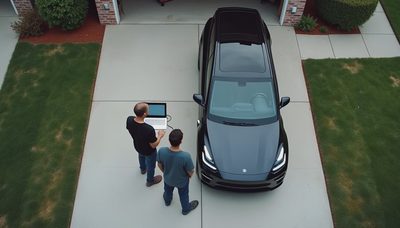
A stronger inspection includes a diagnostic scan from a qualified electric-vehicle technician. Request battery state of health if the scan tool supports it, cell-voltage balance, recorded fault codes, charging history when available, and evidence of abnormal temperature behavior. A small difference between cells under load is more useful than a seller saying the car “holds charge fine.”
Test both AC charging and public charging if possible. Confirm that the car begins charging without repeated resets and that the connector releases normally. Ask whether a home charging cable is included. Replacing missing equipment can cost several hundred dollars, while major battery work can reach several thousand dollars or more. The numbers vary widely by supplier and region, so written estimates are valuable before money changes hands.
Software is part of the inspection
Older electric Mercedes vehicles can be mechanically sound while presenting software annoyances. Check the central display, navigation, Bluetooth pairing, reverse camera, steering-wheel controls, climate settings, and charging timers. Test each function twice: once immediately after startup and again after a short drive. Intermittent faults are often more important than a feature that fails consistently because they are harder to reproduce and diagnose.
For a proper log, note the date, outside temperature, battery percentage, software version, and exact sequence that triggered the problem. For example: unlock vehicle, start without the key in a certain position, select reverse, wait five seconds, and observe whether the camera appears. That is useful evidence. “The screen acts weird” is a complaint, not yet a test case.
The benz b class electric deserves the same software discipline as a newer connected car, even if its systems are less ambitious. Ask whether updates were installed by a dealer, whether the 12-volt battery has been replaced, and whether any warning appeared after a low-voltage event. A tired 12-volt battery can create a surprising collection of unrelated electronic symptoms.
Road-test the hardware in stages
Begin in a quiet lot. Listen for unusual motor whine, clunks, tire noise, brake scraping, and suspension knocks. Test regenerative braking at low and moderate speeds, then use the friction brakes firmly once they are warm. The transition should feel predictable. Pulling, vibration, or a soft pedal deserves professional attention.
On a normal road, check steering alignment, lane tracking, acceleration from a stop, and behavior over broken pavement. Electric torque is immediate, so hesitation or a warning during acceleration should not be dismissed as a personality trait. Review energy consumption after the drive rather than judging range from one short trip.
An independent pre-purchase inspection is usually money well spent. A basic inspection might cost around $150 to $300, while an EV-focused assessment can cost more depending on the scan and battery report. That expense is modest next to an unexpected charger, inverter, suspension, or battery-related repair.
Calculate the ownership cost honestly
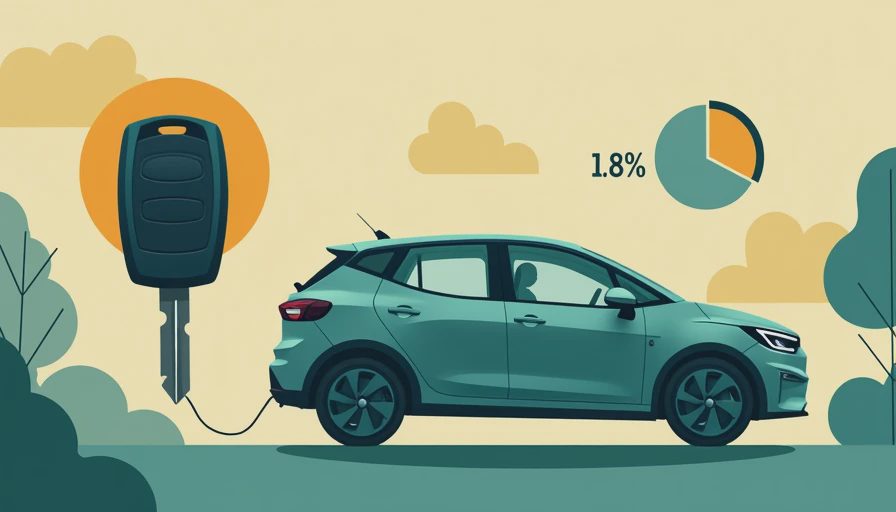
Purchase price is only one line in the budget. Add registration, tires, charging equipment, electricity, maintenance, inspection fees, and a repair reserve. A used benz b class electric may reduce fuel spending for a commuter with reliable home charging, but public charging can erase much of that advantage. Electricity rates also differ substantially between a garage, workplace, and fast-charging network.
Tires deserve attention because electric vehicles deliver strong low-speed torque and carry significant battery weight. Use the correct load rating and replace them before tread becomes unsafe. Brake wear can be modest when regeneration does much of the slowing, yet calipers and rotors still need inspection, especially on cars that spend long periods parked.
Insurance should be quoted using the VIN before purchase. Liability coverage pays for injuries or property damage you cause, while collision coverage addresses damage from a crash and comprehensive coverage generally handles non-collision events such as theft, weather, or falling objects. Deductibles affect the premium and the amount paid out of pocket after a covered claim. An older vehicle with a lower market value may not justify expensive optional coverage, but financing agreements commonly require collision and comprehensive insurance.
Compare alternatives without fan fiction
The benz b class electric should be compared with other used compact EVs based on mission and evidence. A Nissan Leaf may offer a larger supply of used examples and simpler shopping, while a BMW i3 can provide distinctive packaging and stronger acceleration in some versions. A newer Hyundai Kona Electric or Chevrolet Bolt may offer more range, but its purchase price and insurance quote can be higher.
That comparison is not a brand contest. Build a simple worksheet with purchase price, verified battery condition, usable range for your commute, charging access, tire cost, warranty status, and local service support. Give each item a pass, uncertain, or fail status. A cheaper car with three uncertain high-voltage findings is not cheaper in any meaningful spreadsheet.
A practical buyer sequence
First, collect the VIN and service documents. Second, confirm the battery warranty and charging hardware for that exact market. Third, obtain an insurance quote and a written repair estimate for visible defects. Fourth, perform a repeatable road test with the battery sufficiently charged to observe range and charging behavior. Fifth, pay for an independent EV inspection before negotiating the final price.
If the seller refuses a scan, will not permit a charging test, or cannot explain warning lights, treat that refusal as data. Walk away rather than trying to diagnose a vehicle through optimism. A clean benz b class electric with documented battery behavior, stable software, and sensible insurance costs can make a durable commuter. The right purchase is not the one with the most attractive listing; it is the one whose important systems survive measurement.
No letters yet — be the first guest to write.