The Hyundai Kia ICCU warranty has become a critical search term for owners of electric vehicles built on the E-GMP platform. The Integrated Charging Control Unit combines functions that manage AC charging and convert high-voltage battery power for the vehicle’s 12-volt electrical system. When it fails, an otherwise quiet EV can lose propulsion, stop charging, or display a warning that sounds more dramatic than the underlying diagnostic report.
That gap between dashboard symptoms and usable evidence is where owners lose time. A dealer needs the VIN, mileage, warning messages, software history, and service records. A future used-car buyer needs the same information, preferably without having to excavate an owner forum at midnight. The goal is not to turn every charging problem into a scandal. It is to make the failure traceable.
What the Hyundai Kia ICCU warranty usually covers
Hyundai and Kia have issued recalls, service campaigns, software updates, and warranty-related programs for ICCU problems affecting certain model years and production ranges. The relevant vehicles commonly include the Hyundai Ioniq 5, Hyundai Ioniq 6, Kia EV6, and some related electric models. Eligibility is not determined by the badge alone. It depends on the VIN, market, model year, production date, previous repairs, and the exact campaign or warranty terms attached to that vehicle.
A service campaign may require an inspection or software update before a failed unit is replaced. If the ICCU is damaged, the dealer may replace the unit and, in some cases, related fuses or other components. A recall generally concerns a safety or compliance remedy, while a warranty extension can provide additional coverage for a defined component and period. Those categories overlap in owner conversations but are not interchangeable on a repair order.
The Hyundai Kia ICCU warranty also does not automatically mean every EV receives unlimited coverage for every charging complaint. A 12-volt battery that has aged out, an aftermarket electrical accessory, or damage from an outside event can be evaluated separately. Ask the service advisor to identify the campaign number and the failed component rather than accepting the broad description “charging issue.”

Symptoms worth logging before visiting a dealer
The most useful record is chronological. Write down the date, outside temperature, state of charge, charging method, mileage, and every warning shown on the instrument cluster. Note whether the vehicle was using a home Level 2 charger, a public DC fast charger, or no charger at all when the symptom appeared. Include whether the car still shifted into drive, whether regenerative braking changed, and whether the 12-volt battery needed a jump.
Common reports associated with ICCU-related faults include a “Check electric vehicle system” warning, reduced power, inability to charge, unusual 12-volt battery discharge, or a vehicle that enters a limited-power mode. None of these symptoms proves an ICCU failure. A weak 12-volt battery, charging equipment fault, software issue, or unrelated high-voltage fault can produce a similar experience. That is why a clean log beats a confident theory.
Photograph the dashboard before cycling the ignition. Save charging-app notifications, roadside assistance records, and tow invoices. If the car loses power, do not continue driving simply to collect better evidence. Safety comes first; the lab notebook can begin from the shoulder.
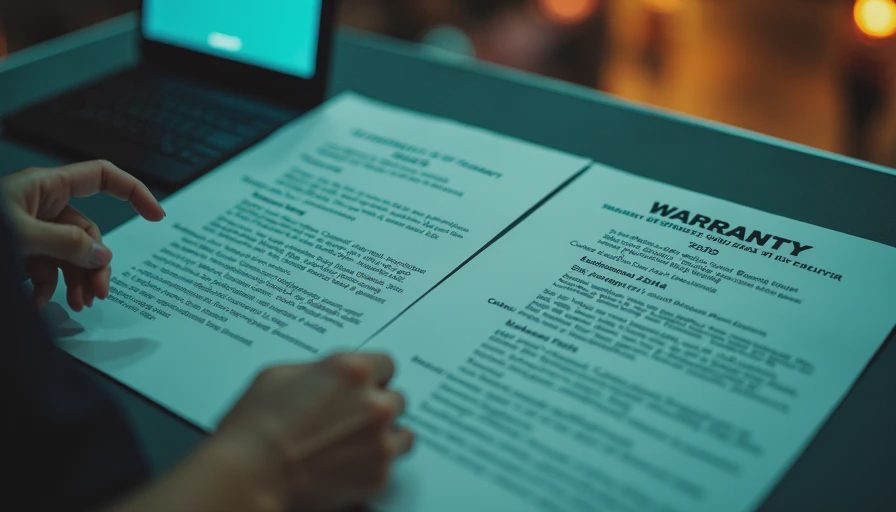
For owners tracking the Hyundai Kia ICCU warranty, the repair order is the central artifact. It should list the customer complaint, diagnostic trouble codes when available, campaign or recall number, parts replaced, software version, and final test result. A vague line such as “updated vehicle” is less useful than the exact update and component information.
How to verify eligibility using the VIN
Start with the manufacturer’s US recall lookup and the owner portal for the vehicle. Then call an authorized Hyundai or Kia dealer with the VIN and ask for open recalls, completed campaigns, warranty extensions, and prior ICCU repairs. The dealer’s internal record may show completed work that does not appear clearly in a generic vehicle-history report.
Ask four precise questions. Is there an open ICCU-related campaign for this VIN? Has the required software update already been applied? Was the ICCU or its fuse previously replaced? If a failure occurs now, which coverage term does the dealer intend to apply? Record the answers, the representative’s name or initials, and the appointment date.
The Hyundai Kia ICCU warranty may be described differently by a dealer, a manufacturer call center, and an independent listing site. Use the written campaign documentation and repair order as the controlling record. If coverage is denied, request the reason in writing, including the diagnostic finding and the warranty provision used. That turns a frustrating phone call into something that can be reviewed.
Coverage is not the same as insurance
Auto insurance usually does not replace a failed ICCU simply because the repair is expensive. Mechanical or electrical breakdown is generally a warranty issue, not a collision or comprehensive claim. Comprehensive coverage can apply to covered events such as theft, hail, fire, or certain non-collision damage, subject to the policy deductible. It is not a substitute for an expired manufacturer warranty.
This distinction matters because an owner who files an unnecessary claim could face a deductible without solving the underlying problem. Before contacting an insurer, determine whether the vehicle was struck, flooded, vandalized, or damaged by another covered event. For an ordinary component failure, the stronger path is the manufacturer, dealer, extended-service contract, or consumer protection process that applies to the transaction.
Insurance still matters after an ICCU event. Roadside assistance can help with towing, rental coverage may help during a covered loss depending on the policy, and liability coverage remains essential if the vehicle causes damage to another person’s property. Keep separate folders for warranty documents and insurance claims. Mixing them is a reliable way to make both conversations slower.
What to preserve for a used-EV purchase
A used Ioniq 5 or EV6 can be an attractive purchase, but the inspection should include more than battery state of health. Request the original repair orders and search for terms such as ICCU, integrated charging control unit, DC-DC converter, high-voltage fuse, charging interruption, and software campaign. A completed repair is not automatically a reason to walk away. In fact, documentation of a proper repair is more useful than a vehicle with an unknown history.
Check whether the vehicle charges on both AC and DC equipment during a pre-purchase inspection when practical. Confirm that the 12-volt battery starts the car normally and that no warning lights remain after a full sleep cycle. Ask the seller whether all recall work is complete, then verify the VIN independently. A dealer’s casual assurance that “the warranty covers it” is not evidence of current eligibility.
The Hyundai Kia ICCU warranty can improve ownership risk when the VIN qualifies, but warranty status should not hide other costs. Compare tire wear, brake condition, charging hardware, remaining battery warranty, and the availability of a nearby authorized service center. A low purchase price loses its charm quickly if every diagnosis requires a 180-mile tow.
A practical evidence workflow
Create one folder named with the VIN. Add a vehicle profile containing model year, mileage, software version, delivery date, and charging equipment. Add dated photos, scan-tool results if available, dealer invoices, call notes, and screenshots from the manufacturer’s recall lookup. Never overwrite an earlier file; append the revised document with a date.
When a failure occurs, write a one-paragraph reproduction report: what the vehicle was doing, what appeared, what changed after restarting, and whether charging or propulsion returned. Avoid speculation in the first version. “At 42,118 miles, after overnight Level 2 charging, the car displayed a power-limited warning and would not select drive” is useful. “The inverter is definitely defective” is a hypothesis.
Finally, follow up after the repair and record the outcome. Did the warning return? Did charging speed change? Did the 12-volt battery remain stable over the next week? The Hyundai Kia ICCU warranty is valuable, but the durable asset is a complete timeline. It helps the next technician, protects the owner’s position, and gives used-car shoppers something better than forum folklore: a verifiable service history.


No letters yet — be the first guest to write.