The Rivian R2 Tesla Model Y size comparison is less about a few inches on a specification sheet and more about how two electric crossovers occupy a garage, parking space, and daily commute. Rivian has positioned the R2 as a smaller, more accessible sibling to the R1S, while Tesla’s Model Y has become a familiar benchmark for practical electric transportation. The published R2 figures are still best treated as targets until production vehicles and final regional specifications are widely available.
For buyers comparing these vehicles, the important questions are straightforward. Will the R2 fit where a Model Y fits? Does one offer more usable second-row space? How much cargo room disappears when the rear seats are occupied? These are physical questions, not software questions, although an OTA update will not make a narrow garage wider.
Exterior dimensions: close on paper, different in shape
The Rivian R2 is expected to measure roughly 185.6 inches long, placing it very close to the Tesla Model Y, which is approximately 187 inches long depending on model year and market. That difference is only around an inch and a half. In a standard parking space, neither vehicle gains a meaningful advantage from length alone.
The more useful distinction is height and overall design. The R2 has a taller, more upright SUV profile, with Rivian emphasizing ground clearance and a squared-off body. The Model Y uses a rounded roofline and a highly aerodynamic shape. Two vehicles with similar lengths can feel very different when you are loading a bulky stroller, climbing into the second row, or opening a liftgate under a low garage door.
Width is also close. The R2 is expected to be about 75 inches wide before accounting for mirrors, while the Model Y is in the same general range. Mirror-to-mirror measurements matter more than body width in a tight garage. Leave room for door clearance, charging cable access, and the unfortunate shopping cart that appears beside your vehicle despite an empty row elsewhere.
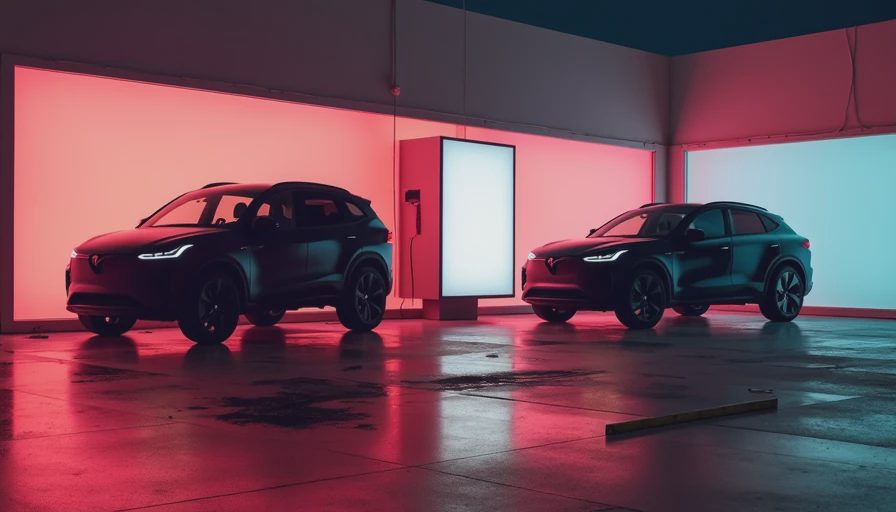
Rivian R2 Tesla Model Y size inside the cabin
The Rivian R2 Tesla Model Y size question becomes more interesting inside the cabin. Rivian has designed the R2 around a flexible five-seat layout, a more upright seating position, and a visibly adventure-oriented interior. The Model Y also seats five in its standard configuration, but its sloping rear roof and seat geometry create a different balance between headroom, legroom, and cargo volume.
Front-seat occupants in either vehicle should have enough space for long commutes, but seat adjustment changes the second row. A tall driver positioned far back can reduce knee room for a rear passenger in any compact or midsize crossover. The R2’s boxier shape may make rear access and headroom feel more generous, even if a final measurement shows only a modest numerical difference.
Tesla’s advantage is familiarity. Owners and reviewers have accumulated years of practical feedback about Model Y child-seat placement, rear-seat comfort, visibility, and storage. Rivian’s R2 must earn that evidence after launch. A specification sheet can tell you the wheelbase; it cannot tell you whether a rear-facing infant seat leaves enough room for a six-foot driver.
Cargo space and storage strategy
The R2 is expected to offer a useful rear cargo area, a front trunk, and distinctive storage features associated with Rivian’s larger vehicles. Its fold-flat seating and available pass-through design could make it attractive for camping equipment, bicycles, and long gear. Those features may matter more than a small difference in total cargo volume.
The Model Y’s cargo area is one of its strongest practical points. The rear hatch opens broadly, the load floor is relatively easy to use, and the vehicle has both rear storage and a front trunk. Tesla has also benefited from a mature accessory market, so owners can find cargo liners, roof systems, organizers, and charging equipment from many suppliers.
When evaluating the Rivian R2 Tesla Model Y size difference, measure the objects you actually carry. A 27-inch suitcase, folded stroller, large cooler, or pet crate produces a more useful test than a manufacturer’s maximum volume figure. Ask whether the item fits without removing a parcel shelf and whether the rear seats remain usable afterward.
Turning the dimensions into a driveway test
A simple home test can prevent an expensive mismatch. Measure the garage opening, interior width, and distance from the front wall to the charging position. Then mark a rectangle on the floor using the expected body dimensions. Add at least two feet beside the driver’s door if possible, because squeezing into a vehicle every morning is not a premium feature.
For a Model Y already parked at home, place painter’s tape around its tires and body corners, then compare the R2’s expected wheelbase and overhangs. Pay attention to turning clearance near shelving and the location of the charge port. The R2 and Model Y may both fit within the same length envelope while requiring different cable routing or door-opening angles.
The Rivian R2 Tesla Model Y size comparison should also include parking decks and public charging sites. Narrow spaces, concrete pillars, and steep ramps expose differences that a brochure hides. A taller seating position can improve sight lines, while a lower hood or smaller turning circle can make a crowded structure less stressful.

Ride height, wheels, and real-world usability
Rivian’s design language points toward more ground clearance and trail capability than the typical Model Y. That can help on rough roads, snow, gravel, and steep driveways. It can also raise the step-in height and increase aerodynamic drag. Tesla’s lower, smoother profile favors highway efficiency, while the R2’s proportions suggest a stronger focus on versatility.
Wheel and tire choices will change the practical result. Larger wheels often look excellent but can reduce sidewall height, increase replacement cost, and transmit more impact over potholes. Smaller wheels with taller tires are usually easier to live with in areas where road repairs are considered optional. Before selecting a trim, compare tire sizes, wheel protection, turning clearance, and the price of a replacement set.
These details can affect insurance costs indirectly. Vehicle value, repair complexity, trim level, safety equipment, driver history, and local claim patterns all influence a premium. A compact electric SUV is not automatically cheap to insure. Get quotes using the exact trim and vehicle identification details when available, especially if comparing a well-equipped R2 with a base Model Y.
Which size profile fits which buyer?
The Model Y is the easier recommendation for someone who wants a proven, widely supported electric crossover available now or through an established used market. Its near-R2 length, generous cargo layout, and broad charging familiarity make it a practical default. It is also easier to inspect in person because examples are common at stores, rental fleets, and used-car lots.
The R2 is the more interesting option for buyers who want a newer platform, a taller SUV stance, Rivian’s design approach, and more attention to outdoor-oriented storage. The key risk is not that it will be dramatically larger. The expected exterior footprint is remarkably close to the Model Y. The uncertainty is how production seats, cargo trim, suspension tuning, software, and charging behavior translate into daily use.
In the end, the Rivian R2 Tesla Model Y size question has a measured answer: expect similarly manageable exterior dimensions, but different priorities inside those dimensions. Compare the actual cargo objects, garage layout, child-seat needs, wheel options, and insurance quote. Then schedule a test drive or delivery inspection that includes the second row, liftgate, and charging setup. Numbers narrow the decision; a tape measure and ten minutes with your own gear usually finish it.

No letters yet — be the first guest to write.