The first sub-freezing morning hits your windshield like an unwelcome beta update. Range takes a dip, charging crawls, and cabin fog rolls in from nowhere. Learning how to winterize an electric car is straightforward once you understand how cold affects lithium-ion chemistry, tire rubber, and auxiliary power. Start with the high-voltage battery, then move through tires, cabin, and the small 12-volt battery that keeps everything awake.
1. Precondition the battery before you drive
Most EVs include a thermal management system that warms the battery when you set a departure time. Schedule this in the car's app or charging menu. The battery heats while plugged in, so the energy comes from the wall, not your range gauge. You lose zero miles, and DC fast charging is noticeably quicker because the pack is already warm.
Set a daily charge limit to 80 percent unless you need the range. If you're parked outside, leave the charger plugged in overnight so the car can top off and maintain battery temperature. The most important step when learning how to winterize an electric car is handling the high-voltage battery with this routine.
2. Dial in tire pressure and traction
Cold air is denser, so tire pressure drops about 1 to 2 psi for every 10-degree Fahrenheit drop. EVs are heavy, so correct inflation matters for handling and tread wear. Check pressures when tires are cold, and use the number on the driver's door placard, not the sidewall. For most EVs, that means 38 to 42 psi, but verify your model.
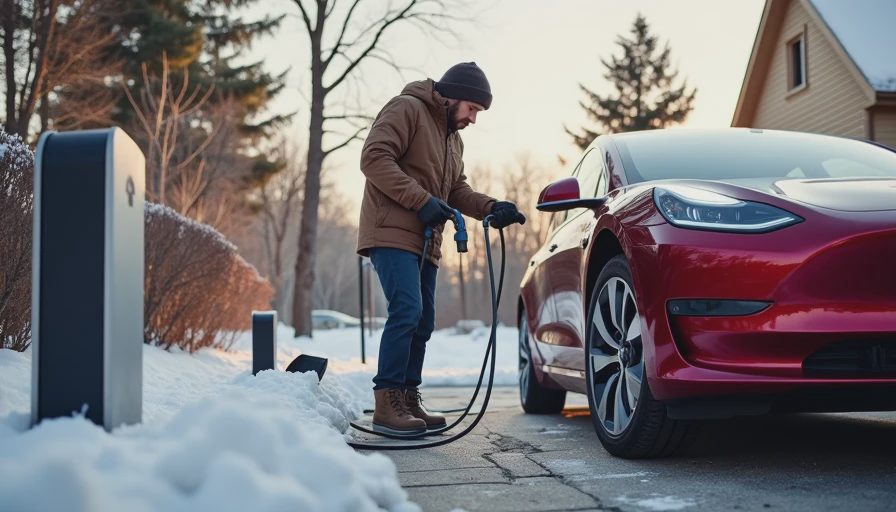
Check tread depth with the penny test. If you can see the top of Lincoln's head, replace the tires. Winter tires like the Michelin X-Ice Snow or Bridgestone Blizzak help below 45 degrees. Owners report fewer slips and less range loss than all-season tires because the rubber stays flexible. If you drive in heavy snow, keep tire chains in the trunk and practice installing them once before you need them.
3. Use cabin heat without sacrificing range
Heat pumps are standard on many EVs and beat resistive heaters for efficiency. Even a heat pump draws a lot of current when it's 10 degrees outside. Preheat the cabin while the car is plugged in, and set a climate timer so you step into a warm car without draining the battery.
Once you're driving, use heated seats and a heated steering wheel instead of blasting the cabin air. Keep the defroster on low and aim it at the windshield to stop fog. Use the fresh-air setting on a low fan instead of recirculation, which makes windows fog quickly. When you know how to winterize an electric car, you stop wasting range on a toasty cabin.
4. Don't ignore the 12-volt battery
Every EV has a small auxiliary battery that runs computers, door locks, and contactors. Cold makes its capacity fade, and a weak 12-volt battery is the most common cause of a car that won't wake up. Test it with a multimeter at least once a month in winter. A good resting reading is 12.4 to 12.6 volts; below 12.0 means trouble.
Check the terminals for corrosion and tighten loose clamps. If you're not comfortable, a mobile tech can test it quickly. Replacing a 12-volt battery usually costs $150 to $300 and beats a tow. Carry a portable jump starter designed for lithium auxiliary batteries. If you park the car for more than two weeks in freezing temps, a battery maintainer will keep the 12-volt pack healthy.

5. Upgrade washer fluid and wiper blades
Winter washer fluid rated to -30 degrees will actually clear salt film. Replace worn wiper blades with a silicone winter blade like the Bosch Icons. Keep a plastic ice scraper in the trunk, and never pour warm water on a frozen windshield. Give the blades a lift before a storm so they don't freeze. Check the washer fluid level before each storm; a full bottle costs a few dollars and takes two minutes.
6. Plan charging stops around battery temperature
Cold slows DC fast charging even with preconditioning. On a long winter trip, set the navigation to a fast charger and let the car precondition before you arrive. Apps like PlugShare and A Better Routeplanner show real-time charger status and temperatures. Expect charging speeds to drop from, say, 250 kW to about 100 kW when the pack is below freezing. That's normal, but a 10-minute preconditioning stop costs less time than waiting through a slow-charging session. When you arrive at a station, plug in quickly to start warming the pack; many cars heat the battery faster while charging. Look for stations with restrooms and a convenience store, because you'll likely be there longer than summer.
7. Update your EV's software before the cold snap
Over-the-air updates sometimes include battery management tweaks that improve cold-weather performance. Check your manufacturer's app for pending downloads and install them at home. Keep a log of your range before and after the update, because not every patch helps.
Finally, know where your charge port cable is before you need it. Charge doors can freeze shut if ice gets in the seam. A thin coat of dielectric grease on the weather seal stops them from locking up. Putting these steps together makes how to winterize an electric car less a chore and more a routine you can handle in one weekend.
No letters yet — be the first guest to write.