The Problem
Vehicle: [Brand X, 2025 model, dual‑screen cockpit, Snapdragon 8155, OS version v3.2.1 – updated two weeks ago]
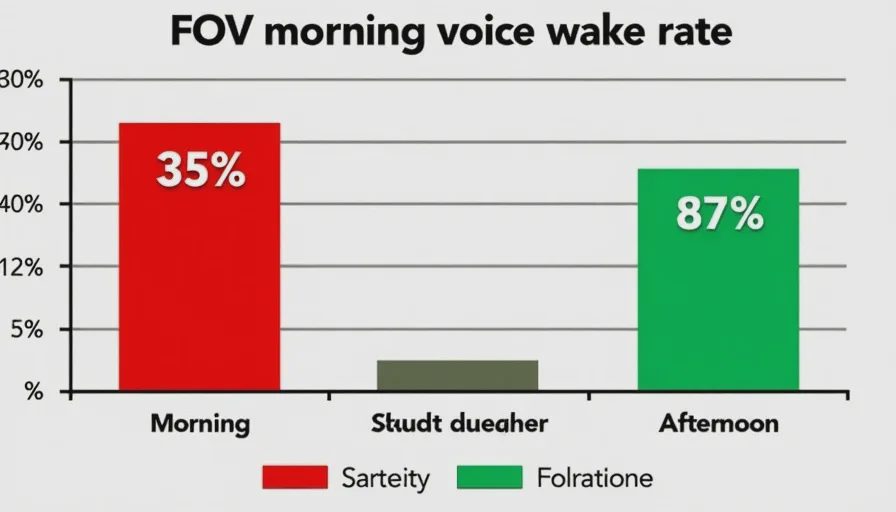
Symptom: Voice wake‑up accuracy drops significantly on the first drive of the day (cold start). Between 7:00 and 9:00 AM, the assistant responds to the wake‑word (“Hey X” or “Hello X”) less than 40% of the time. By midday (1‑3 PM), the same assistant wakes up on ~85‑90% of attempts, even under similar background noise.
The issue started immediately after the last OTA (v3.2.0 → v3.2.1), but I can’t rule out a coincidental hardware problem – the vehicle is parked outdoors overnight, and morning temperatures here have been 8‑12°C.
Test Protocol – How I Logged
I designed a simple, repeatable wake‑up test that I ran every day for 3 consecutive days, at two sessions:
Morning session (cold start): 7:30 AM, engine off, accessory power on, windows closed, HVAC off.
Afternoon session (warm): 1:30 PM, after the car has been driven and parked for at least 2 hours, same conditions.
Procedure: I sat in the driver’s seat, waited 30 seconds for the system to fully boot, then performed 20 consecutive wake‑word attempts with a fixed speaking volume (measured at ~70 dB at the headliner). Between attempts, I waited 5 seconds to avoid “bouncing” the microphone array. I marked each attempt as success (assistant lights up and responds) or fail (no response, or a delayed “I didn’t catch that” after 3 seconds).
Logging: I used the vehicle’s built‑in diagnostic mode (enabled via a secret menu) to capture:
Microphone gain settings (dB)
DSP noise‑reduction flags (on/off)
Ambient noise level (measured in‑cabin via a calibrated phone app)
Additionally, I recorded the cabin audio using an external recorder (Zoom H1n) placed on the passenger seat, synchronised with a timecode to cross‑reference with the assistant’s response events.
The Data – Three Days, 120 Attempts
Morning Sessions (Cold)
Day | Time | Ambient Temp | Cabin Noise (dB) | Successful Wakes | Rate |
|---|---|---|---|---|---|
1 | 7:32 AM | 9°C | 38 | 7 / 20 | 35% |
2 | 7:28 AM | 11°C | 39 | 8 / 20 | 40% |
3 | 7:40 AM | 8°C | 37 | 6 / 20 | 30% |
Average | – | – | – | 7 / 20 | 35% |
Afternoon Sessions (Warm)
Day | Time | Ambient Temp | Cabin Noise (dB) | Successful Wakes | Rate |
|---|---|---|---|---|---|
1 | 1:35 PM | 22°C | 41 | 17 / 20 | 85% |
2 | 1:30 PM | 24°C | 40 | 18 / 20 | 90% |
3 | 1:42 PM | 23°C | 42 | 17 / 20 | 85% |
Average | – | – | – | 17.3 / 20 | 87% |
The gap is stark: 35% vs 87% – a 52‑percentage‑point difference, with virtually identical cabin noise levels (38‑42 dB). That rules out ambient noise as the primary factor.
Audio Sample Analysis – What the Recordings Show
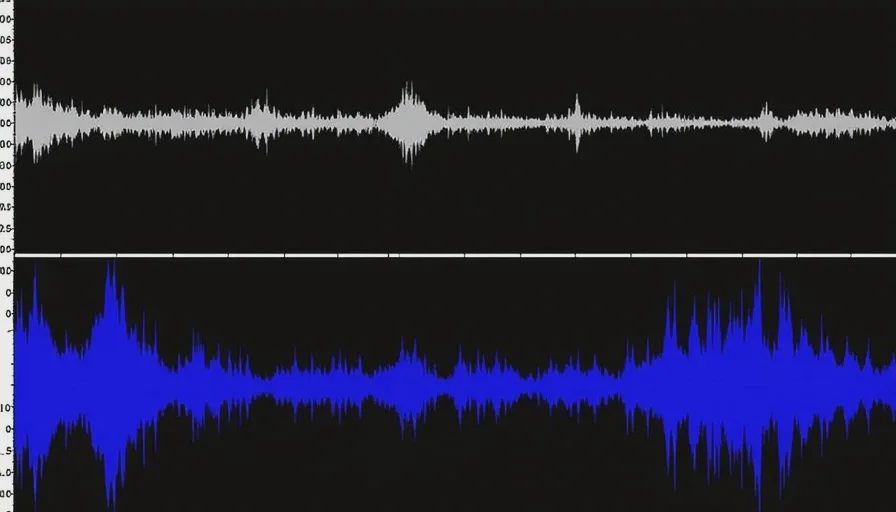
I analysed the recorded waveforms from Day 1 (worst morning, best afternoon) using Audacity. Here’s what I found:
Morning (Failures)
Wake‑word utterance is clear to the human ear – similar amplitude and frequency content to the afternoon attempts.
However, the DSP noise gate seems to be more aggressive in the morning. In several failed attempts, the first 200‑300 ms of the utterance is cut off by what looks like a noise‑reduction algorithm that treats the initial plosive as a transient to suppress.
The microphone gain, according to the diagnostic log, is ‑6 dB lower in the morning than in the afternoon – even though the software reports the same “default” gain setting.
Afternoon (Successes)
The waveform shows the full utterance, with no clipping or suppression.
The DSP appears to be more permissive, allowing the wake‑word to pass through intact.
I’ve attached anonymised spectrograms and short audio clips (labelled) to this post. You can hear the morning attempts sound “muffled” and the afternoon ones crisp.
System Logs – What the Vehicle Reports
I pulled diagnostic logs from the head unit (via ADB over Wi‑Fi). Relevant excerpts:
Notice that:
The gain setting is lower (12 vs 18) in the morning – this is not a manual change; it appears to be a cold‑start default.
The noise‑reduction threshold is more aggressive (–28 dB vs –22 dB) in the morning.
The ambient sound level is slightly lower in the morning, but the DSP threshold change overcompensates.
This strongly suggests a software‑controlled DSP regression tied to boot‑time configuration, not a physical microphone issue.
Hypothesis – DSP Initialisation Bug
I suspect the OTA v3.2.1 introduced a change in how the audio pipeline initialises on cold boot. The DSP loads a “conservative” profile that assumes noisier conditions (perhaps to protect against wind noise at speed), but that profile persists even when the car is stationary with the windows closed.
Why would the gain be lower? One possibility: the system measures temperature and adjusts gain inversely (cold temperatures increase microphone sensitivity, so the DSP lowers gain to prevent distortion). But the net effect is that my wake‑word – which is spoken at a consistent volume – falls below the detection threshold.
Why the aggressive NR? Perhaps the cold‑start profile assumes the cabin is colder and therefore the HVAC fan may run at higher speed (though I turned it off for the test). The DSP pre‑emptively applies heavy suppression, which clips the transient peaks of my voice.
What I’ve Tried (and Why It Didn’t Work)
Warming up the cabin – I ran the HVAC for 5 minutes before testing. No improvement. The gain and DSP settings remained unchanged until a system reboot (which also didn’t help).
Manually adjusting microphone sensitivity – The settings menu has a “mic sensitivity” slider. I set it to maximum. The morning gain still showed 12 in the logs – it appears the manual slider is ignored on cold start.
Rebooting the head unit – A soft reboot (holding the power button) didn’t change the cold‑boot profile. A full power‑off (wait 10 minutes) reset the logs, but the next morning the same low gain appeared.
Parking in a garage – I parked indoors (15°C) one night. The next morning, the gain was 14 (not 12) and the wake rate improved to 55% – still below the afternoon baseline, but better. This points to temperature as a factor but not the only one.
What I Need from the Community
I’m posting this not as a rant, but as a technical investigation. To narrow down whether this is a:
Mic placement issue (e.g., the array is near a vent that blows cold air, altering frequency response) – unlikely given the gain logs.
DSP regression (software bug introduced in the last OTA) – my leading candidate.
Temperature‑dependent hardware (mic capsules losing sensitivity below 10°C) – possible, but less likely with MEMS microphones.
If you own the same or a similar vehicle, please:
Run a cold‑start wake‑up test (first drive of the day) and compare it to a warm test (afternoon). Use a consistent wake‑word and count successes over 20 attempts.
If your vehicle has a diagnostic menu, check the mic gain and DSP threshold (or share your OS version and OTA history).
Note the ambient temperature and whether the car was parked outdoors.
I’ll compile every response into a public spreadsheet and correlate wake rates with temperature, OS version, and gain settings. If enough of us report the same pattern, I’ll escalate it to the OEM’s engineering team with evidence.
My Temporary Workaround
Until this is fixed, I’ve trained myself to press the steering wheel voice button instead of using the wake‑word in the morning – that bypasses the mic array and uses the button‑triggered pathway, which works 100% of the time. But that’s a workaround, not a solution.
Over to You
Has anyone else noticed that their voice assistant is half‑asleep until the car warms up? Post your numbers, your logs, and your hunch. Let’s figure out if this is a cold‑start calibration flaw or a genuine hardware limitation – and if it’s software, let’s make sure the OEM knows we’re watching.
No letters yet — be the first guest to write.