A vw bus electric build looks great in photos, but the purchase decision lives in the boring files: battery age, controller brand, charging setup, and who did the work. If the seller can show those things, you are buying a machine. If not, you are buying a story, and stories have a nasty habit of turning into tow bills. Start with the paperwork, then the test drive, then the paint. That order saves money because the market still rewards a polished van more than a transparent one.
What to verify before you trust a vw bus electric range claim
A range claim without a charging log is just a number somebody likes. Ask for the battery capacity in kWh, the cell maker if known, the charger output, and whether the van has active cooling or just passive hope. A healthy conversion should also show who built the high-voltage system, what was replaced during the last service, and whether the 12-volt system is being fed correctly through a DC-DC converter. The details matter because an electric drivetrain can look tidy while hiding a battery pack that is a few heat cycles away from drama.
On the road, look for more than silent acceleration. You want normal brake feel, stable regen, no warning lights, and a believable state-of-charge drop on a mixed route. If the seller says the van gets 140 miles, ask for the last full charge and a drive that starts near home, includes traffic, and ends with the remaining percentage recorded. A vw bus electric with no charge log is basically a guess with wood trim. A buyer who treats that as evidence is doing the seller's marketing job for free.
Use the test drive to listen for inverter whine, cooling fan cycles, and clunks from old suspension parts that the electric motor has been too polite to hide. A lot of converted buses are charming until the first real hill or the first fast charge session. Then the weak link shows up in cable heat, software settings, or a relay that should have been replaced years ago. No one needs a philosophical debate about range. They need numbers.
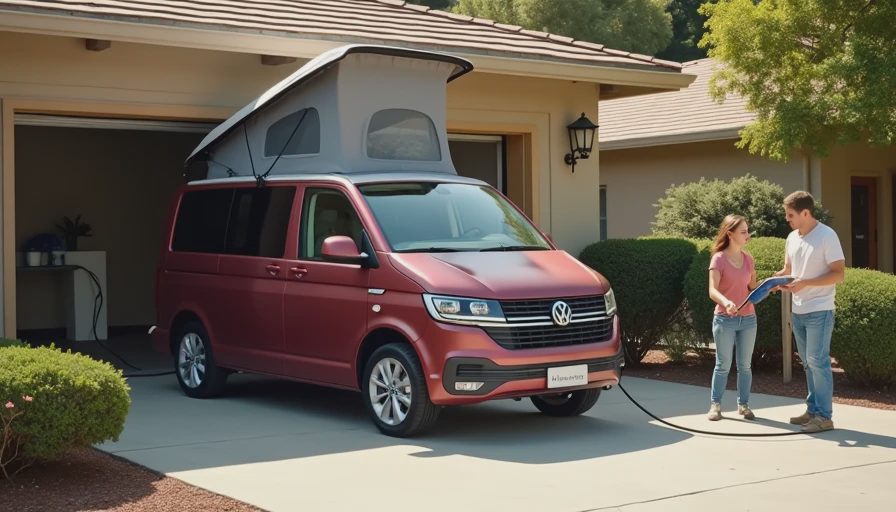
The repair bill behind a vw bus electric conversion
The repair math changes fast once you leave the romance department. A pre-purchase inspection from an EV specialist is often $200 to $500, and it can be the cheapest money you spend. If the inspection finds tired battery modules, a noisy contactor, or a controller with no documentation, the next bill can jump into four figures before the van leaves the shop. That is why a tidy install is not enough. You need receipts, part numbers, and a builder who understood high voltage instead of just liking the concept of it.
Common replacement items include the onboard charger, the DC-DC converter, coolant pumps on liquid-cooled systems, and the charging port hardware. Battery packs are the real budget breaker because cells age by time as much as miles. A van that drives a few thousand miles a year can still have expensive cells if it sat hot for long stretches. If the seller cannot tell you when the pack was assembled, how it was balanced, or whether any modules were swapped, you should price the risk as if replacement is already part of the deal.
This is also where the classic van comparison gets useful. A stock air-cooled Bus can need engine work, but at least the failure points are familiar and usually visible. A converted electric van can fail in ways that look minor until the shop opens the floor and finds custom wiring, nonstandard connectors, and a battery enclosure that was built for a different idea of neat. The good builds feel boring after five minutes. Boring is a compliment here.
Insurance, appraisal, and resale for a vw bus electric
Insurance gets easier when the file is clean. For a custom build, a standard auto policy usually needs the modification disclosed because the replacement value is not the same as a rusty stock Bus with fresh seat covers. Keep the invoice trail, photos of the build, battery specs, and any appraisal from a specialty shop. If the van is a low-mileage weekend vehicle, a collector-style agreed value policy can make sense. If it is a daily driver, the carrier still needs enough evidence to understand what they are covering and how much it would cost to replace it.
This is where a lot of owners get lazy and then act surprised when the adjuster asks basic questions after a loss. The carrier is not trying to admire the craftsmanship. It wants to know whether the van is a restored original, a partial conversion, or a one-off electric build with expensive components that no corner yard can source. Keep the documents in one folder, digital and paper. The day you need them is not the day to start hunting through old emails for the battery invoice from 2021.
Resale works the same way. Buyers pay more for documentation than for clever adjectives. If the van has a build sheet, an appraisal, and a clean service history, the price conversation feels anchored. If it only has charm and a sunset photo, the number gets softer fast. The best electric conversions often sell to the next careful owner, not to the loudest one in the comments.

When the asking price is fair, and when it is nostalgia tax
A fair ask usually reflects three things: documented parts, recent service, and realistic range. A 1978 transporter converted with a known 30-kWh to 40-kWh pack, refreshed brakes, and a recent appraisal can justify a serious number because the buyer is not inheriting chaos. A similar van with no invoices, unknown firmware on the controller, and a battery sourced from somewhere vague should be discounted hard, because the first repair may cost more than the cheerful difference in the asking price.
A simple rule helps. If the seller can explain the build in plain language, show the major receipts, and let you verify the charge behavior on a long test drive, the van is probably priced in the real world. If the story changes every time you ask about the battery or the charger, walk away and save your energy for the next listing. The right vw bus electric is the one where the paperwork, the drive, and the price all agree that the romance is backed by hardware.

No letters yet — be the first guest to write.