If you are shopping chinese car brands, the first question is not whether the badge is familiar. It is whether the car's hardware, software, and service network can survive daily use. A driver looking at BYD, NIO, XPeng, Zeekr, MG, or Chery-branded models should treat the purchase like a laptop on wheels: check the chip, the interface, update cadence, warranty language, and local repair access. That sounds clinical, but it saves money. A polished cabin and a big screen are easy to admire on a test drive; the harder part is figuring out whether the owner community is documenting real fixes or just fresh complaints after every OTA.
Among chinese car brands, the real split is between companies that ship a coherent ownership experience and companies that still feel like a good demo. BYD is often discussed for its battery packaging and broad model range, while NIO and XPeng are known for software-heavy cabins and frequent feature updates. Zeekr leans hard into design and tech, and MG-branded vehicles often appeal on price in markets where they are sold. None of that matters if the nearest dealer cannot source a bumper bracket, a sensor cluster, or a windshield with the right camera mount in a reasonable time. Ask how a minor front-end repair is handled, because modern driver-assistance hardware can turn a parking-lot tap into a long shop stay.
The next filter is interior quality that survives a year of use, not just a launch event. Look for a screen that boots quickly, steering-wheel controls that do not lag, and climate settings that stay put after a restart. If the voice assistant needs a perfect studio environment, it will disappoint on a rainy commute. Check whether the car remembers driver profiles, charging preferences, and seat positions after an update. Look at the physical controls too, because a touch-only cabin can feel clean on day one and annoying on day fifty. A good test drive should include a cold start, a reverse maneuver, a few parking-camera changes, and a Bluetooth reconnect after the car has been off for a while.

OTA updates and software are where the truth shows up
For chinese car brands, OTA cadence is where glossy brochures meet logs. A useful update should state the version number, the affected modules, and one change you can actually reproduce. If the release notes say the voice assistant now handles highway prompts more accurately, test it in traffic and again after the car has slept overnight. If lane centering used to drift at 62 mph and now holds the lane better on a familiar route, that is a real change. If the notes only say user experience optimized, treat it like a wallpaper update until the owners post evidence. That is not cynicism; it is simple triage.
This is also where a technically minded buyer gets an edge. Search for screenshot trails, camera recordings, and version history in owner groups before you assume a feature exists. A car can advertise smart parking, remote climate preconditioning, and natural-language commands, yet still ship with weak wake-word detection or a slow media stack. I would rather see three owners report the same fixed bug than one polished launch video. If the platform is built on a known chip such as Qualcomm's 8155, that helps set expectations for responsiveness, but software discipline matters more than raw silicon once the car starts aging.
Service, parts, and insurance costs can erase the discount
Insurance is where chinese car brands stop being abstract. A quote on a $42,000 EV can look fine until the carrier prices camera calibration, glass, and battery-adjacent labor into the repair plan. A front bumper on a camera-heavy crossover is not just a bumper anymore; it can be a sensor carrier, a radar mount, and a calibration job. That does not mean the car is expensive to insure by default, but it does mean a cheap sticker can hide a costly claim. Ask your agent how the model is classified, whether ADAS features affect repair labor, and whether the insurer has comparable claim data in your state.
Parts availability matters just as much. A shop that has never seen the platform may wait longer for trim pieces, headlamps, or even the correct clip set. That is why a clean parts pipeline can matter more than an extra 20 horsepower or a fancier ambient-lighting strip. If you are comparing a newer import-style EV with a mainstream Toyota or Honda, compare not only the monthly payment but the probable repair cycle after a minor crash. A car that sits for three weeks because one module is on a slow boat is not a bargain, even if the upfront price looked sharp.
How to compare models before money changes hands
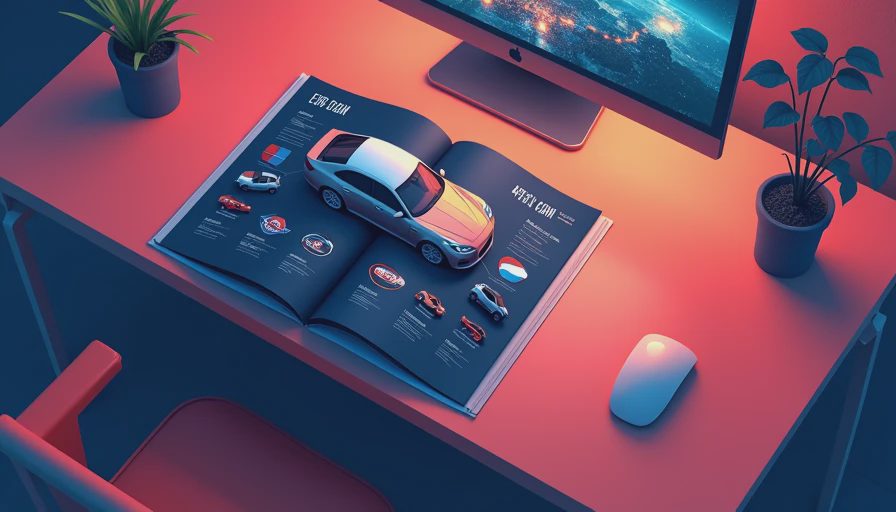
A practical way to compare the segment is to score each model on four fields: hardware maturity, software cadence, repair access, and resale confidence. A Zeekr or XPeng with excellent cabin tech can still be a headache if the nearest qualified service center is far away. A simpler MG or Geely model in a market with stronger dealer coverage may be easier to own even if the interface feels a step behind. The right answer depends on how long you plan to keep the car and whether you are comfortable being an early adopter. If you like new features but hate surprises, choose the car with the more boring maintenance story.
Used buyers should be even stricter. Ask for the VIN, the latest software version, the service history, and any battery-health documentation the seller can provide. Look for signs of crash repair around the headlights, wheel arches, and hatch gaps, because modern sensors are picky about alignment. Check whether the infotainment account is cleared and whether the navigation, charging, and remote-app functions still work after the owner logs out. A clean title is necessary, but it is not enough when the car lives or dies by firmware. That is why chinese car brands reward paperwork, screenshots, and service invoices more than a glossy listing ever will.
If you are shopping chinese car brands today, do not buy the demo. Buy the evidence. Verify the software version, call a body shop about parts, ask an insurer for a quote, and see whether owners post fixes or just frustration. The cars can be impressive, but the smart purchase is the one with a traceable repair path and a software story that actually holds up after delivery.
No letters yet — be the first guest to write.