The range on a BMW i3 depends heavily on model year, battery size, speed, temperature, and whether the car is a battery-electric model or a Range Extender version. BMW made the i3 from 2014 through 2021, and the difference between an early 81-mile car and a later 153-mile car is large enough to change the entire ownership plan. The useful question is not simply how far the brochure says it can travel. It is how much usable distance remains after a cold commute, highway driving, aging, and an unexpected detour.
BMW i3 range by model year and battery
The earliest i3 models used a battery with roughly 22 kWh of total capacity. Their official EPA driving range was about 81 miles when new. In ordinary mixed driving, a healthy example might show approximately 60 to 75 miles, with highway speeds and winter conditions pushing that figure lower.
BMW introduced a larger battery for the 2017 model year. The 33 kWh pack raised the EPA estimate to about 114 miles. That version is noticeably easier to live with: a 35-mile daily round trip leaves more useful reserve, and a driver does not need to treat every climate-control setting as a range negotiation.
For 2019 and later battery-electric i3 models, BMW used a roughly 42 kWh battery pack, with an EPA estimate near 153 miles. The i3s performance model used the same general battery capacity, although its wider tires, lower suspension, and more aggressive setup can reduce efficiency in some conditions. These figures are estimates, not guarantees, and battery condition matters on a used car.
The range on a BMW i3 is therefore a model-year question before it becomes a driving-style question. A low-mile 2015 car may still be appealing for local use, but it should not be priced like a late 2019 model with nearly twice the usable capacity.
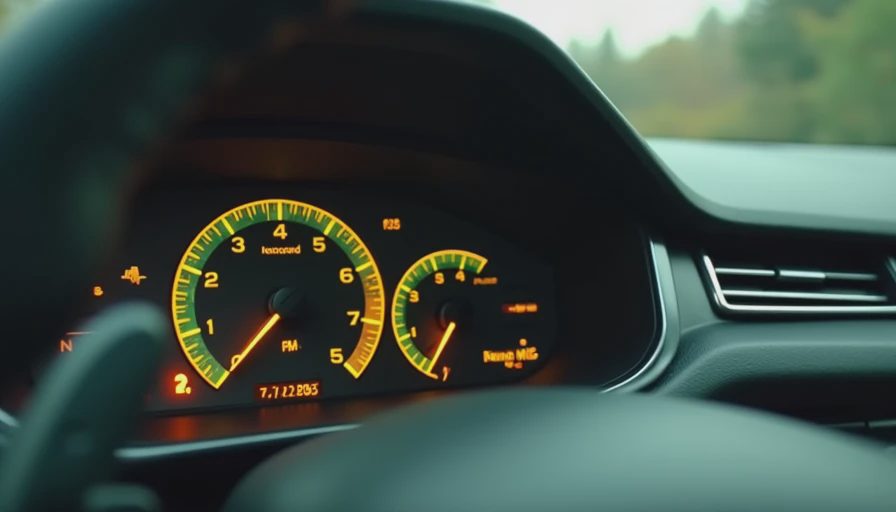
What changes real-world range
Speed is the fastest way to expose the gap between an EPA estimate and a dashboard prediction. At 75 mph, aerodynamic drag rises sharply, so a long interstate trip can consume energy much faster than a city commute. Smooth urban driving often favors the i3 because regenerative braking recovers some energy and the car is light compared with many modern electric SUVs.
Temperature is the second major variable. Cold weather reduces battery performance and adds cabin-heating demand. A winter trip that looks comfortable on paper can lose a meaningful portion of available miles, especially in an early i3 with a small pack. Preconditioning the cabin while plugged in, using seat heaters, and choosing a moderate cabin temperature can preserve more battery energy.
Tires also deserve attention. Incorrect pressure, worn tires, roof accessories, heavy cargo, and repeated hard acceleration all affect consumption. An i3 showing 4.0 miles per kWh is operating very differently from one showing 3.0. That dashboard efficiency number is often more useful than a single predicted-mile figure because it reveals the conditions behind the estimate.
For a practical test, charge to the same level, reset the trip computer, drive a familiar route, and record outside temperature, average speed, and energy consumption. Repeat the test in city and highway conditions. One dramatic number from a seller's photo is not a battery health report.
Battery health and the range display
The dashboard prediction is based on recent driving history. If the previous owner drove slowly in warm weather, the car may initially display an optimistic number. If the last trip involved high-speed driving in freezing temperatures, the estimate can look unnecessarily bleak. Neither reading proves the battery is healthy or worn out.
A better inspection starts with a full charge and a consistent route. Compare the indicated state of charge with miles traveled and observed efficiency. BMW diagnostic tools can provide more detailed battery information, but a buyer should have an electric-vehicle specialist inspect the car before paying for an expensive repair. Battery replacement can cost several thousand dollars, so a modest pre-purchase inspection is cheap risk control.
The range on a BMW i3 should also be evaluated against the owner's actual schedule. Someone driving 20 miles per day has a very different requirement from someone covering 110 miles on rural roads without workplace charging. An older battery may be perfectly adequate for the first driver and frustrating for the second.
The Range Extender question
Some i3 versions include a small gasoline engine called the Range Extender, or REx. It can generate electricity after the battery reaches a low state of charge, providing additional flexibility on longer trips. It does not turn the i3 into a conventional gasoline car. Fuel capacity, power output, and operating strategy still limit its usefulness, and the gasoline engine adds maintenance items.
A REx inspection should include the fuel system, engine operation, service records, and any warning lights. Buyers should also confirm how the specific model manages the system, since software behavior and regional equipment can differ. For many owners, a REx is valuable emergency backup rather than a substitute for dependable home or public charging.
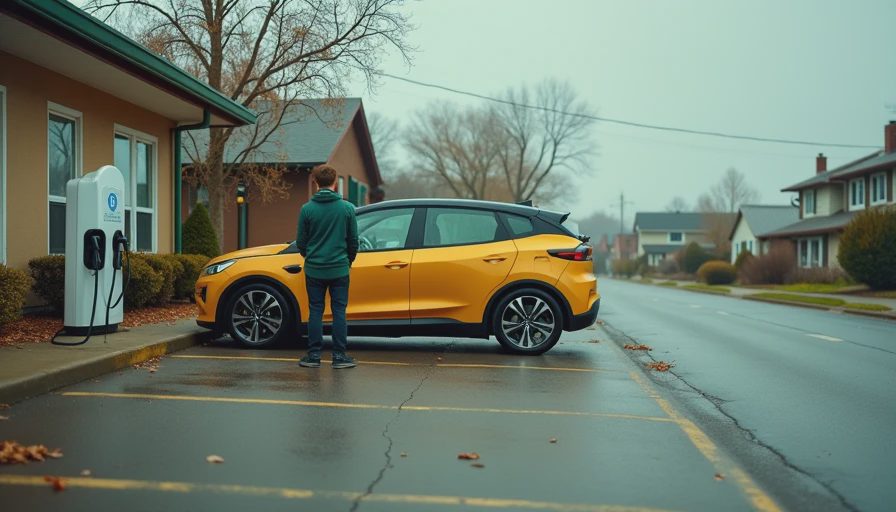
Charging time and trip planning
Charging determines how usable the range feels. A standard household outlet can add only a few miles per hour, making it suitable for a low-mileage driver who leaves the car parked overnight but inefficient for daily long-distance use. A 240-volt Level 2 charger is a much better match and can refill an i3 during several hours at home.
The i3 can also use DC fast charging when equipped with the appropriate option. Public charging speeds depend on the station, battery temperature, and the car's charging capability. A fast stop is useful for extending a trip, but it is not a reason to plan routes with zero reserve. Chargers can be occupied, offline, or located farther from the highway than the map suggests. Software is involved here, and software occasionally behaves like it has been assigned a personal grudge.
Plan longer drives with a charging stop before the battery becomes critically low. Leave room for weather, traffic, and a missed turn. For an older i3, a conservative plan based on 60 to 70 highway miles can be more realistic than treating the original EPA figure as a promise.
Used-car and insurance checks
Before buying, match the vehicle identification number to its battery size, model year, trim, and installed charging equipment. Ask for service records, inspect the charge port, verify that the cable is included, and look for dashboard warnings. A test drive should include city streets, a faster road, climate control, regenerative braking, and a check of the estimated miles after the battery has warmed up.
Insurance deserves a separate quote because premiums reflect more than purchase price. Collision coverage pays for damage to the i3 after a covered crash, subject to the selected deductible. Comprehensive coverage addresses non-collision events such as theft, hail, falling objects, or certain animal impacts. Liability coverage pays for injuries or property damage a driver causes to others, up to the policy limits.
Ask several insurers how they value the vehicle, whether original equipment parts are available, and how a battery-related loss would be handled. An older i3 with a lower market value can still carry expensive components. Comparing deductibles of $500 and $1,000 may change the premium, but the higher deductible also increases the amount paid after a claim.
A sensible buying decision
The range on a BMW i3 makes the most sense when it is compared with a fixed daily route, not with a newer electric vehicle's headline number. The 81-mile early model suits short urban driving with reliable charging. The 114-mile version offers a useful middle ground for commuting. The later 153-mile car is the easiest choice for mixed use, although it still requires planning for winter highway travel.
Record the battery percentage, miles driven, average speed, outside temperature, and efficiency during your test. Compare that evidence with the seller's asking price and with insurance quotes. If the car passes inspection, has charging equipment, and fits the route without daily stress, the i3 can be an efficient used EV with unusually clear operating data. If the trip only works by assuming perfect weather and an empty public charger, the dashboard is not the problem. The route is.
No letters yet — be the first guest to write.