One pedal driving looks simple until you use it in traffic, on a hill, and in a parking lot all on the same day. The idea is basic: lift off the accelerator and the car slows itself using regenerative braking, then use the brake pedal only when you need a harder stop. In practice, it changes how a driver times every stop, how often the friction brakes work, and how a software update can alter the feel from one model year to the next. That matters if you are shopping for an EV, comparing trims, or trying to understand whether the car you test drove is actually the car you will live with.
How one pedal driving works in practice
In one pedal driving, the accelerator becomes your speed control and your deceleration cue. When you ease off, the electric motor switches into generator mode and sends some of the car’s momentum back into the battery instead of wasting it as heat. The brake pedal still exists for hard stops, emergency braking, and the last few feet before a full stop. That is the part many new drivers miss. This is not a magic replacement for brakes; it is a different way to blend slowing and stopping.
Most modern EVs make the transition easy after a short learning period. The best setups feel predictable at low speeds, which matters in a school pickup line or a crowded city block. The awkward ones feel grabby at first, then settle down after a week when your right foot learns the new calibration. If you are sensitive to software behavior, note the model, firmware version, and regen setting before and after any over-the-air update. Small changes in pedal mapping can feel larger than they are.
Why one pedal driving changes the daily commute
Traffic is where the feature earns its keep. In stop-and-go driving, one pedal driving cuts down on the constant ankle work that comes with creeping forward, pausing, and creeping again. On a hill, it can also make downhill control feel calmer because the car resists rolling faster than you want. In a compact crossover or sedan, that can turn a frustrating commute into something closer to steady speed management. It does not make the road less crowded, but it does make the controls less annoying.
Drivers also notice the difference in how the car coasts. With regen turned up, the vehicle slows the moment you lift your foot, so following distance starts to matter more than it does in a free-coasting gas car. That can be a good thing once you adapt. It gives you more control in traffic and makes the car feel settled instead of twitchy. Tesla, Hyundai, Kia, Ford, Chevrolet, and Nissan all offer some version of this behavior in certain EVs, though the tuning and menu options vary by model.

Common mistakes people make during the first week
The first mistake is lifting off too fast and jerking the car hard enough to annoy everyone in the next lane. The second is backing off too gently and arriving at the stop line later than expected, then jabbing the brake pedal at the last moment. The third is assuming every car behaves the same after a restart. Some models remember your last regen setting. Others revert to a default setting when the car powers up. That is not a defect by itself; it is just a design choice that should be documented before you call it a surprise.
One pedal driving can also expose habits you never noticed in a conventional car. If you tend to hover your foot over the pedal instead of resting it lightly, the car will feel busy. If you like to brake late, you will need to recalibrate earlier, especially in wet weather or on rough pavement. And if the vehicle uses creep mode or a separate hill-hold function, learn how those features interact before you trust them on an incline. The fix is usually simple: take a short route, use the same setting twice, and write down what changed.
What one pedal driving means for wear, range, and maintenance
The most useful side effect is reduced brake wear. Because the motor handles more of the slowing, the brake pads and rotors often last longer than they would in a similar gas car. That does not mean they last forever. Rotors can still rust if the friction brakes are barely used, and the system still needs periodic hard braking to keep everything clean. Tires do not get a free pass either; smooth driving helps, but tire wear still depends on weight, alignment, and how aggressively the car is launched.
Range gains are real, but they are not endless. In city driving with frequent stops, regenerative braking can recover enough energy to make a noticeable difference. On the highway, there is less braking to recover from, so the benefit is smaller. That is why one pedal driving feels impressive in town and merely convenient on a long interstate run. If you are comparing two EVs, look beyond the feature label and pay attention to how the car actually blends regen and friction braking. A clean pedal feel is worth more than a flashy menu option.
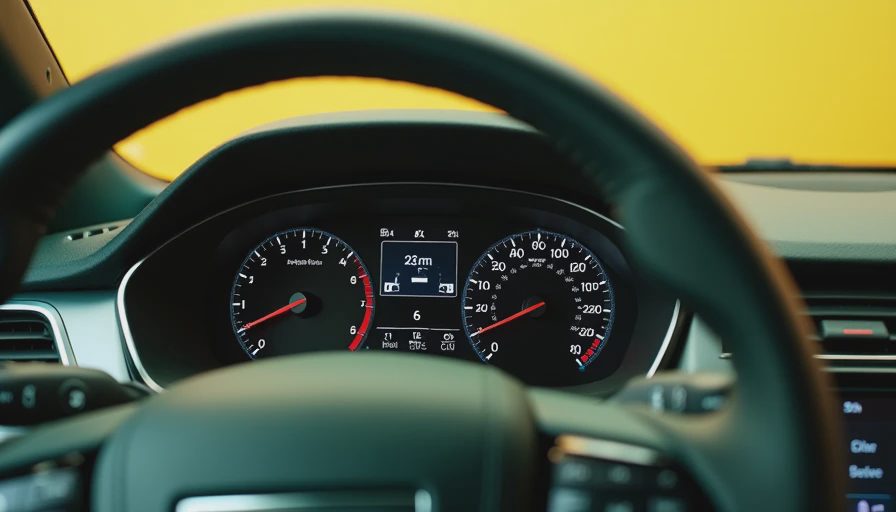
Why insurers and used EV buyers still care
For insurance shoppers, one pedal driving is not a separate rating factor. Insurers care more about the vehicle’s value, repair cost, safety equipment, theft risk, mileage, and the driver’s record. Still, the feature matters indirectly because it sits inside a car that may be expensive to repair. A bumper with parking sensors, a windshield with camera hardware, or a battery pack tucked under the floor can turn a minor hit into a higher claim. That is true whether the car is a compact hatchback or a high-trim EV with advanced driver assistance.
That is why used-car buyers should ask a few practical questions before they sign. Does the car remember its regen setting after a restart? Has any software update changed throttle feel or braking behavior? Are there calibration costs after a windshield or bumper replacement? Those answers tell you more about ownership than a brochure does. If you are comparing quotes, focus on the whole repair picture, not just the headline premium. A cheaper policy is not much help if the car needs a specialized shop for every sensor-related repair.
A short test route for one pedal driving
A good test drive should include a neighborhood street, a mild hill, one stop sign, and a parking lot. Start with the regen setting you think you will actually use, then drive the same loop twice. Pay attention to three things: how quickly the car slows when you lift, how smoothly it creeps or stops at low speed, and whether the brake pedal feels consistent when you finally need it. If the vehicle has multiple regen levels, try the strongest one and the middle setting, not just the default showroom mode.
If you are buying a used EV, write the results down. Note the trim, software version, tire condition, and whether the previous owner’s settings carried over. That kind of record is the difference between a confident purchase and a week of second-guessing. One pedal driving should make the car easier to live with, not turn every stop into a mystery. If you want the coverage to match the car, compare quotes with repair complexity in mind and choose a policy that fits the way you actually drive.

No letters yet — be the first guest to write.