The fastest electric cars are no longer a futuristic concept. They are production machines that pin you to the seat, break quarter-mile records, and make old muscle cars look like they are standing still. If you are shopping for extreme EV performance, you need more than marketing numbers. Here is the data that matters.
What Defines the Fastest Electric Cars?
When carmakers say "fastest", they usually mean 0-to-60 time, but that number can be misleading. Many manufacturers subtract a one-foot rollout, which effectively gives the car a running start. Some test on prepped surfaces that nobody would find on a public road. Quarter-mile time is a better measure of real acceleration, and top speed matters separately for track work. For the fastest electric cars, all three metrics tell a story. Of the three, quarter-mile traps separate dragstrip cars from real-world monsters. The Tesla Model S Plaid runs a 9.23-second quarter-mile with a trap speed over 150 mph, which is genuinely embarrassing for a 5,000-pound sedan. The Lucid Air Sapphire does the quarter in 8.95 seconds, and it is still a luxury car with rear-seat legroom. These are not niche hypercars; they are street-legal sedans that happen to wreck the curve.
The Current Production Records
When you line up the fastest electric cars, a few names dominate. The Rimac Nevera packs 1,914 horsepower and hits 60 mph in 1.74 seconds with rollout. Its quarter-mile time stands at 8.25 seconds, and the top speed is 256 mph. It carries a price tag near $2.2 million. The Pininfarina Battista shares a similar powertrain, with 1,900 horsepower, a 1.79-second 0-60, and an 8.55-second quarter-mile. It is limited to 217 mph, but Italian styling is part of the price tag.
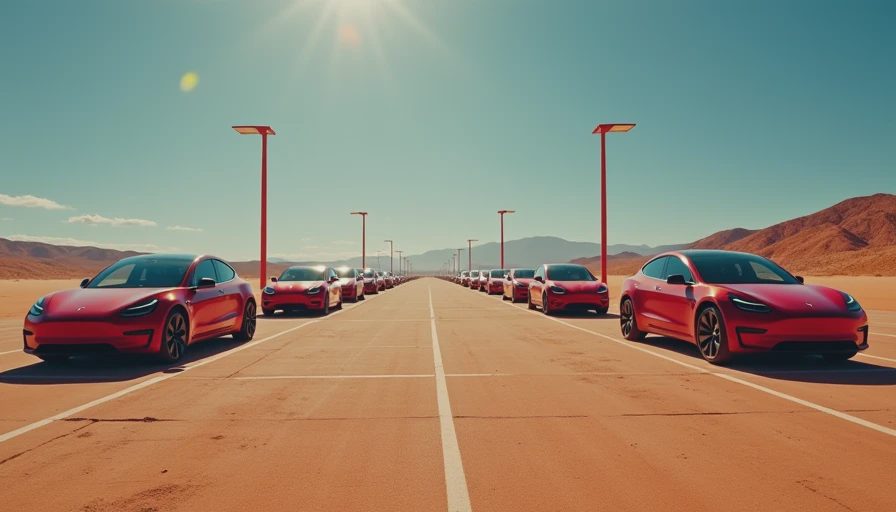
On the more practical end, the Lucid Air Sapphire uses three motors to make 1,234 horsepower. It hits 60 mph in 1.89 seconds and runs the quarter in 8.95 seconds at about 162 mph. Base price lands around $250,000. The Tesla Model S Plaid does 0-60 in 1.99 seconds and finishes the quarter in 9.23 seconds at over 151 mph. It is the cheapest way into the sub-two-second club, with a starting price around $90,000 before options. A fully loaded Plaid with the track package still stays well under $130,000. The gap between hypercars and sedans is smaller than you might expect.
Why Electric Motors Change the Acceleration Game
Internal combustion engines need to build revs before they deliver peak power. Electric motors generate full torque from zero rpm, which is why a 1,000-horsepower EV can hit 60 mph in under two seconds while a similarly powerful gasoline supercar takes a moment to get going. Electric powertrains also skip traditional transmission lag. Most top models use a single-speed reduction gear, while the Nevera uses a two-speed gearbox to balance off-the-line punch with a higher top speed.
Battery voltage plays a role too. The latest EVs run 800-volt architectures, which feed more current without overheating. That matters because sustained power delivery is what separates a one-trick drag car from a track-worthy machine. Aerodynamics also come into play. The fastest electric cars keep motors cool with elaborate thermal management and use active aero to balance downforce and drag. The Nevera even adjusts its rear wing for top-speed runs. That kind of active control is software-driven.
The Software Side: How OTA Updates Shape Performance
Behind every impressive acceleration number is a motor controller that has to decide how much torque to send to each wheel. A firmware update can trim a tenth off your 0-60 time or change how aggressively launch control engages. Tesla has used over-the-air updates to unlock additional top speed on the Model S Plaid when proper wheels and tires are installed. Lucid pushes track-mode updates that adjust torque vectoring. Rimac regularly refines launch strategy in the Nevera through OTA patches.

For the fastest electric cars, the spec sheet is a living document. If you buy used, check the software version and the OTA history. A car stuck on an older firmware may not offer the performance the original window sticker claimed. This is exactly the kind of evidence a smart buyer should track. The difference between a car with the latest software and one that has never been updated can be measurable on the dragstrip. A previous owner who only commuted might never have installed a track-focused update.
The Practical Side of Buying a Sub-2-Second EV
The fastest electric cars are not just about straight-line speed. Daily driving involves charging, range, and ride comfort. A Lucid Air Sapphire has about 400 miles of range, but triple-digit speeds drain it quickly. The Model S Plaid is a better all-rounder with access to the wide Supercharger network. The Rimac Nevera is a collector's item; you are buying bragging rights.
If you are an engineering-minded buyer, look at the data logs. Ask for the current firmware version, battery health report, and track-day data. A car that has been at the dragstrip repeatedly may have a more stressed battery than one that has only commuted. And if you plan to modify, remember that many EV warranties have clauses about performance-related software changes. That is not a knock on tuning; it is a reason to keep records. Compare insurance costs too, because a 1,000-horsepower car gets expensive to cover.
The Bottom Line
The fastest electric cars are a mix of Italian styling, Croatian engineering, American software, and battery chemistry heroics. The numbers are real and improve every year. If you want the most speed for the dollar, the Model S Plaid still dominates the market. If you want a hypercar that will likely hold its value, the Nevera and Battista are safer bets, but they cost more than most houses. Whichever you choose, bring a spreadsheet and check the software history before you sign.
No letters yet — be the first guest to write.