If you are shopping an EV Dodge Charger, insurance is one of the first real ownership costs to price before the test drive haze wears off. The car sits in a strange lane: part muscle-car image, part battery pack, part software-heavy EV. That mix can push premiums in different directions depending on trim, annual mileage, garage parking, and how much power you buy. The good news is that the quote is not a mystery if you know what carriers are actually pricing. Start with the vehicle value, the repair cost of the battery and body panels, then compare liability, collision, and comprehensive the same way you would compare range numbers.
Why the EV Dodge Charger Can Cost More to Insure
Insurers care less about the badge and more about repair math. The EV Dodge Charger uses expensive components that are harder to swap than a steel bumper on a gas sedan. A damaged battery pack can turn a small hit into a big claim. High-output trims also bring more speeding-ticket logic into underwriting, because cars with more torque and faster acceleration tend to see larger losses. That does not mean every quote is ugly. It means the price can swing sharply between a base configuration, a fully loaded model, and a driver with a clean record.
Another factor is the shop network. EV-certified repairs, calibration for cameras and sensors, and OEM parts can all raise labor time. If the car needs a windshield, radar calibration, or wheel repair after a pothole, the invoice can move fast. Insurers usually notice that before the owner does, which is why a quote can be high even when the monthly payment felt manageable on paper. On an EV Dodge Charger, the cost is often driven by repair complexity rather than just sticker price.
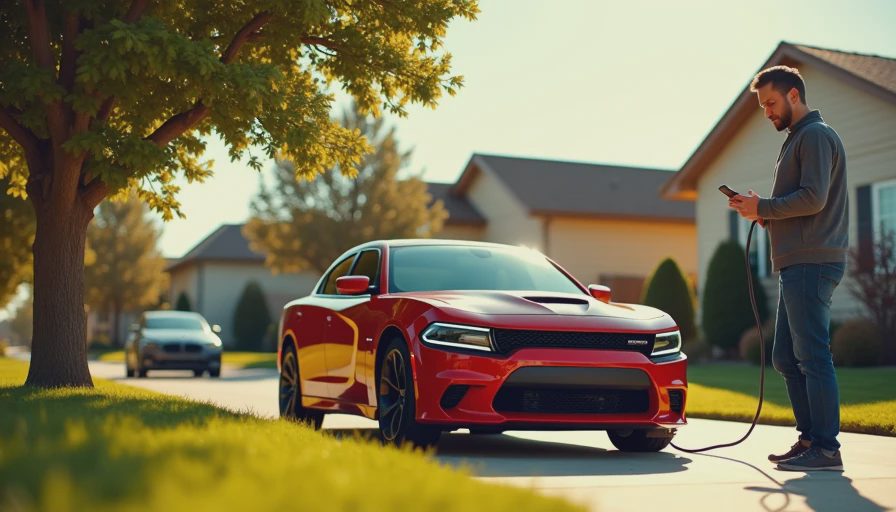
What Coverage Matters Most on an EV Dodge Charger
For most owners, liability, collision, and comprehensive are the core pieces. Liability pays for injuries and property damage you cause to others. Collision pays for your car after an accident, and comprehensive handles theft, fire, hail, vandalism, and other non-collision loss. On an EV Dodge Charger, collision and comprehensive matter more than a lot of buyers expect because a single incident can involve bodywork, electronics, and battery-adjacent parts. If you owe money on the car, your lender will usually expect those coverages to stay in place.
Deductibles matter too. A $500 collision deductible usually means a lower out-of-pocket hit at claim time than a $1,000 deductible, but the premium may rise if you choose the lower number. That tradeoff is worth running in a quote. If you add accessories, a premium wheel package, or aftermarket charging gear, ask how the policy treats them. Auto insurance usually covers the vehicle itself, not the wall charger on your garage. That part may fall under homeowners insurance or a separate equipment warranty.
How to Compare Quotes Without Wasting a Day
Shopping the EV Dodge Charger across multiple carriers is the fastest way to find whether the premium is high because of the car or high because of your profile. GEICO and Progressive are both built around online quoting. State Farm still works well if you prefer an agent. Allstate and Liberty Mutual give you broader coverage menus in some markets. The carrier names matter less than the method: use the same liability limits, the same deductible, and the same mileage estimate so the quotes are comparable.
If one quote is hundreds lower, ask what changed. Did the agent move you from $500 deductibles to $1,000? Did the quote drop rental reimbursement, roadside assistance, or uninsured motorist coverage? Did it assume you drive 8,000 miles a year when you really drive 14,000? A clean comparison usually beats a fast one. A telematics discount can help too if you drive smoothly, but it is not worth it if you hate data tracking and brake hard in traffic.

Charging, Glass, and Wheel Damage: The Claims People Miss
The ownership annoyances on an EV Dodge Charger are often smaller than a battery fire headline and bigger than a parking-lot scrape. A cracked windshield can be costly when cameras and safety systems need recalibration. Low-profile tires and large wheels are vulnerable to potholes. Charging cables can be stolen or damaged, but the fix may depend on whether the cable was part of the car, the charging setup, or a homeowners policy item. None of this is dramatic, yet it is exactly where real-world claims live.
This is also where a new owner can save money by parking smarter. A garage, a secure driveway, or even a well-lit lot can help reduce theft and vandalism risk. Some carriers also price annual mileage and commute length into the quote, so a driver who uses the car for weekend runs may pay less than a long-distance commuter. If you are cross-shopping trims, the faster version often brings a bigger insurance bill than the extra horsepower feels like it should. That is the part most people discover after the sale, which is a bad time to learn it.
A Simple Buying Checklist for the Next Quote
The easiest way to shop this car is to treat the quote like a data sheet. Match coverages, collect VINs, and ask each company to price the same deductible and liability limits. If a quote looks attractive, check whether it includes OEM parts language, rental reimbursement, and roadside help, because those details matter after the first claim. In plain terms, the right policy is not the cheapest one on the screen; it is the one that still makes sense when a $2,000 sensor job or a damaged battery component lands on your calendar. If you are comparing an EV Dodge Charger this week, get quotes from at least three carriers before you decide.
No letters yet — be the first guest to write.