An electric utility vehicle looks simple from the outside, but insurance gets interesting once you add battery value, road use, and cargo duty. A small fleet on a farm, a campus shuttle unit, or a four-seat utility cart all create different risk profiles, and the quote changes fast when a unit leaves private property. If you are buying one for a job site, an HOA, or weekend property work, the right policy is less about the badge on the hood and more about how the machine is actually used.
How insurers classify the machine
The first question is not brand, battery size, or top speed. It is classification. One carrier may treat it like a golf cart, another like a low-speed vehicle, and another like a specialty commercial unit. That difference matters because a policy that works on a private driveway can fall apart the moment the vehicle starts crossing public roads or carrying tools for a business. A street-legal model with lights, mirrors, seat belts, and a VIN usually gives you more options than a pure off-road rig.
This is where an electric utility vehicle can surprise owners. A vehicle built for hauling mulch around a nursery might look low risk, but if it is used on roads, at paid events, or by rotating staff, the insurer will look at exposure, not the brochure. Ask for the classification in writing. If the agent cannot explain whether it belongs on a personal auto policy, commercial auto policy, or specialty policy, keep moving.
Coverage that actually earns its keep
Liability is the floor, not the finish line. If the vehicle bumps a parked car, injures a pedestrian, or tips cargo into a storefront, liability coverage is what keeps the claim from becoming personal cash flow drama. Comprehensive coverage matters too, especially for theft, vandalism, hail, and flood damage in storage lots. Collision coverage helps if the machine clips a curb, a post, or another vehicle, which is more common than owners like to admit.
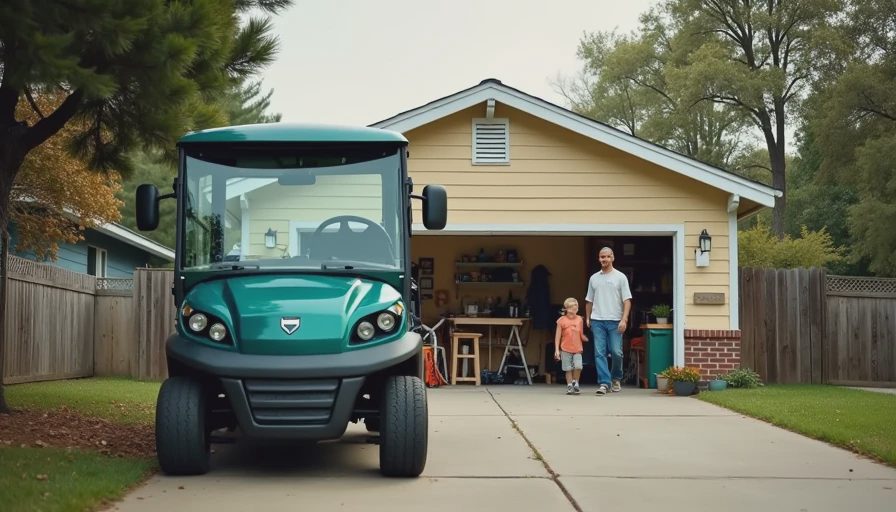
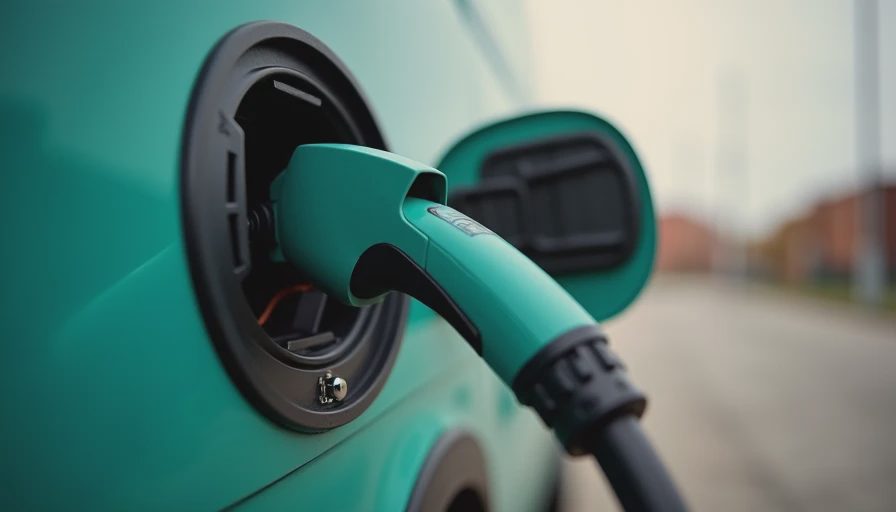
For an electric utility vehicle, battery and charging equipment deserve special attention. A battery pack can be one of the most expensive components on the unit, and charger damage can turn a minor incident into a real bill. Ask whether custom racks, utility beds, enclosures, plows, or work lights are covered as accessories. If the vehicle carries tools or parts, cargo coverage may belong on a separate business policy rather than an auto policy. The cleanest policy is the one that matches the actual equipment list, not the imagined one.
What pushes the premium up or down
Premiums move based on value, usage, storage, and who operates the vehicle. A newer electric utility vehicle with higher trim, bigger battery capacity, and expensive attachments will usually cost more to insure than a basic used unit with a simple bed and standard tires. That is normal underwriting, not a punishment for buying better hardware.
Usage is the bigger lever. A unit that runs three miles a week on private property is easier to rate than one that shuttles workers all day on mixed terrain. Night use, teen operators, and shared keys can all push the price upward because they raise loss frequency. Garaging also matters. Locked storage, camera coverage, and a dedicated charging area can help the story you tell the carrier.
Expect wide price swings. A small personal policy on a low-speed cart can be modest, while a commercial setup for a multi-unit fleet can land much higher once liability limits, deductibles, and equipment endorsements are added. The point is not to chase the lowest quote. It is to compare the same coverage terms so you are not buying a cheaper gap.
How to quote it without getting the runaround
Good quoting starts with clean facts. Have the VIN or serial number ready, along with the year, make, model, battery type, and a short description of use. If the vehicle is street-legal, note the equipment that makes it legal, such as lights, mirrors, windshield, or seat belts. If it is not street-legal, say so clearly. Vague answers lead to vague coverage, and vague coverage is how claims turn into support tickets.
If you own an electric utility vehicle for a business, document the average operating area, who drives it, and where it sleeps at night. Photos help. So do receipts for accessories. A carrier that sees a maintained unit with secure storage and a consistent use case has less reason to price it like a mystery box. One clean submission is better than five follow-up emails and a rate that still assumes the wrong vehicle class.
When a commercial policy is the smarter move
A commercial policy is often the right answer when an electric utility vehicle helps earn money, even if the use is small scale. Landscaping crews, farms, resorts, warehouses, golf course operations, campuses, and HOAs all put one into a business setting fast. Once employees use it, haul tools, or work on public-facing property, the exposure starts looking commercial whether the vehicle is quiet or not.
That does not mean every owner needs a heavy policy with every bell and whistle. It means the policy should match the job. A single unit with low annual use may need modest liability and physical damage coverage. A fleet that moves people and equipment all day may need higher limits, scheduled vehicles, hired and non-owned auto protection, and clearer driver rules. If the insurer offers a package that bundles property, liability, and auto coverage, compare it against a standalone auto quote. Sometimes the bundle is cheaper; sometimes it is just easier to manage.
The practical buying checklist before you bind coverage
Before you buy, make the insurer answer five simple questions. How is the vehicle classified. What is covered if the battery, charger, or custom bed is damaged. Does the policy allow private-property use only, or road use too. Which drivers are acceptable. What limit and deductible combination actually fits the replacement cost.
That last point matters more than most people expect. If the vehicle costs $12,000 and the deductible is $1,500, a minor repair can become annoying fast. If the unit is used daily for work, a slightly higher premium can be easier to live with than a deductible that makes every claim pointless. The best electric utility vehicle policy is not the cheapest one on the page. It is the one that survives a real loss without argument.
If you are shopping now, gather the specs, list the attachments, and ask for quotes that use the same liability limits and physical damage terms. That is how you turn a vague quote into a comparison you can trust.
No letters yet — be the first guest to write.