The phrase Hyundai Ioniq 5 headlight recall sounds specific, but it can describe several different situations: an official safety recall, a service campaign, a technical service bulletin, or an owner complaint that has not become a campaign. Those categories are not interchangeable. Before buying a used Ioniq 5 or scheduling an expensive lamp replacement, identify the campaign number, affected production range, and remedy attached to your vehicle identification number, or VIN.
A headlight problem deserves a methodical investigation because reduced illumination is a safety issue, while a faulty daytime running light or warning message can create a separate compliance concern. The cleanest approach is to begin with records, not forum certainty. Online posts are useful for discovering patterns, but one blurry photograph and a sentence saying “the lights are weird” is not a diagnostic file.
What the Hyundai Ioniq 5 headlight recall might mean
A genuine recall is issued when a manufacturer or regulator identifies a safety-related defect and provides a remedy, generally at no charge to the vehicle owner. The repair might involve a software update, wiring correction, connector replacement, lamp replacement, or inspection. A recall notice should identify the affected models, model years, manufacturing dates, defect, risk, and remedy.
A technical service bulletin is different. It gives dealership technicians repair guidance for a known symptom, but it does not automatically mean every vehicle qualifies for free work. A warranty repair can also address a failed headlight component without being a recall. This distinction matters when a service adviser says, “We have seen that before.” Familiarity is evidence of a pattern, not proof of a safety campaign.
For the Hyundai Ioniq 5 headlight recall, do not rely on a search result that omits a campaign number. Confirm the record through Hyundai’s official VIN lookup and the National Highway Traffic Safety Administration database. Enter the full 17-character VIN, not a license plate or stock number. Check both open and completed campaigns, because a vehicle can have a recall that was repaired before it reached a used-car lot.
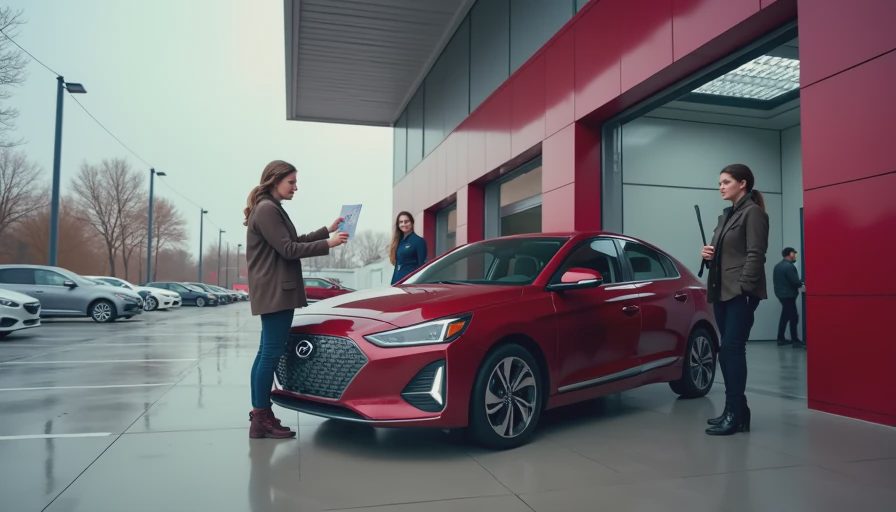
A practical VIN and symptom audit
Use this five-step process before approving a repair:
- Photograph both headlights with the vehicle parked on level ground. Capture low beam, high beam, daytime running lights, turn signals, and any dashboard warning.
- Record the date, mileage, outside temperature, and whether the problem appears at startup, after rain, or only while driving.
- Write down the exact symptom. “Passenger-side low beam is dark” is useful. “Headlights bad” is not.
- Run the VIN through Hyundai’s owner portal and NHTSA’s recall search. Save screenshots or print the results with the date.
- Ask the dealer for the campaign number, diagnosis, parts order, and final repair description.
This log separates an intermittent software or communication fault from a burned-out LED module, damaged housing, loose connector, or alignment problem. On an Ioniq 5, a clean exterior does not prove the lighting system is healthy. A previous collision, aftermarket film, incorrect installation, or water intrusion can create symptoms that resemble a factory defect.
If the dealer cannot reproduce the issue, provide a short video from a safe stationary position. Do not film while operating the car. Include the instrument cluster only if it shows a relevant warning, and avoid editing out the moment when the light fails. Engineers love timestamps because timestamps are less argumentative than memory.
What to ask the Hyundai dealer
Call the service department with the VIN ready and describe the symptom in one sentence. Ask whether there is an open recall, service campaign, or technical bulletin related to the lighting system. Then ask whether the proposed repair is covered by a recall, the vehicle’s limited warranty, an extended service contract, or customer pay.
Request an estimate before authorizing diagnostic labor. A recall remedy is generally performed without charge, but a separate failure discovered during inspection may not be. If a headlight assembly is quoted at roughly $800 to $2,000 including labor, ask whether the dealer is replacing the complete unit or a serviceable module. Prices vary by model year, trim, parts availability, and damage, so the written estimate matters more than a phone-range promise.
Ask for the repair order when the vehicle is finished. It should show the concern, cause, correction, campaign number if applicable, part numbers, and mileage. If the fix is software, record the installed version and whether the dealer performed a post-update lighting test. “Updated” is not a sufficient technical description by itself.
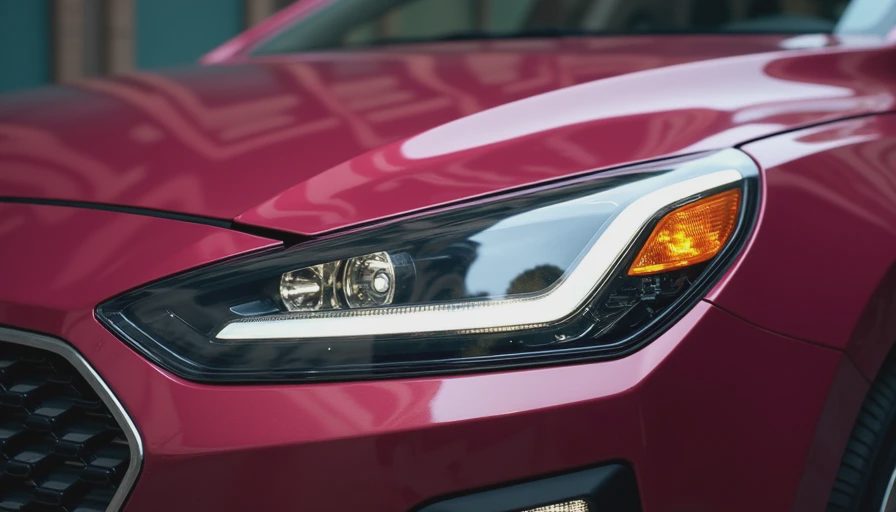
Buying a used Ioniq 5 with a lighting concern
A used-car inspection should happen before the deposit becomes emotionally expensive. Test the low beams on a dark road only where legal and safe, and inspect the pattern against a wall at a short distance. Look for one side being dimmer, flickering, pointed too high, or producing a sharp change in color. Test automatic high beams separately; a high-beam-assist complaint is not necessarily a headlamp failure.
Check the windshield area and front bumper for repair history. Sensors, camera calibration, bumper work, and headlight damage can overlap after a front-end collision. Request a vehicle history report, but do not treat it as a substitute for a hands-on inspection. A clean report can miss repairs completed outside an insurance network.
If the Hyundai Ioniq 5 headlight recall is open, ask the seller to complete the remedy before delivery and provide documentation. If the seller says the campaign is “not a big deal,” that is a useful signal about the quality of the transaction, not about the risk of driving with poor illumination. A $100 to $200 independent pre-purchase inspection can prevent a much larger lighting bill.
Insurance, documentation, and escalation
Auto insurance usually treats a sudden failure differently from collision damage. Comprehensive coverage can apply to certain non-collision events, such as theft, vandalism, or weather damage, subject to the policy deductible. It generally does not function as a free maintenance plan for a failed component. Collision coverage may apply when the headlight was damaged in a crash, again subject to the deductible and claim terms.
Before filing a claim for a $900 lamp, compare the repair estimate with the deductible and consider how a claim could affect your insurance history. If another driver caused the damage, that may be handled through the at-fault driver’s liability coverage, depending on the facts and applicable state rules. Keep photos, the repair order, the police or incident report when relevant, and communications with the dealer.
If a safety-related concern remains unresolved, escalate in writing to the dealer’s service manager and Hyundai customer support. Include the VIN, dates, mileage, campaign search results, videos, and invoices. You can also submit a complaint to NHTSA. A clear record gives investigators something actionable; a hundred angry replies usually produce only heat.
A final evidence-based decision
The Hyundai Ioniq 5 headlight recall should be treated as a verification task, not a slogan. Confirm the VIN, identify the exact campaign or bulletin, document the failure, and obtain a written remedy. If the record shows a completed repair but the symptom remains, return with evidence and request a fresh diagnosis rather than assuming the first update solved everything.
For buyers, unresolved lighting faults justify delaying delivery, negotiating a documented repair, or walking away when the seller refuses basic transparency. For current owners, prompt inspection is sensible whenever a beam flickers, a warning appears, or one lamp becomes noticeably weaker. The goal is simple: predictable illumination, a traceable repair history, and no expensive mystery hiding behind the word “recall.”


No letters yet — be the first guest to write.