Wind energy powered cars sound clever until you run the numbers. A moving car already spends most of its energy fighting air, so any rotor or turbine that captures wind has to steal from the same stream that pushes the vehicle backward. That does not make the idea useless, but it does make the economics unforgiving. For buyers, builders, and anyone shopping a custom conversion, the real questions are range, safety, repairs, and whether the paperwork can survive a claims adjuster with a flashlight. A set of numbers, not a slogan, decides whether it is a curiosity or a usable machine.
Why the energy math is brutal
At road speed, aerodynamic drag rises fast, which is why a clean sedan can feel efficient at 35 mph and thirsty at 75. A turbine on the body does not create energy from nowhere; it adds drag to the car while trying to harvest air that the car itself is already paying to move. In practical terms, a small rotor can power a sensor, a fan, or a demo light, but it is not likely to push a full-size vehicle in a useful way. If the goal is real propulsion, the swept area, bearing quality, and noise all climb together, and so does the risk that the “innovation” becomes an expensive roof ornament. That is why some demo rigs look impressive at a fairground and disappointing on a freeway.
What a real prototype would need
A believable build needs more than a spinning blade and optimism. You need a rotor or turbine sized for the intended speed range, a generator, rectification or power conditioning, a battery buffer, and a controller that can deal with gusts without cooking the electronics. Mounting matters too. A roof rack that flexes at highway speed will turn a clever prototype into a vibration test. Add weather sealing, shutdown logic, blade strike protection, and a way to isolate the system during service, because no one wants live wiring above a wet cabin. A controller that cannot handle overvoltage or stall conditions will fail before the first rainstorm. A do-it-yourself setup can start in the low hundreds for parts, but once fabrication and controls enter the picture, a serious experiment often moves into the low thousands.

The cost curve is where the idea gets serious
With wind energy powered cars, the bill is rarely just about hardware. Fabrication time, custom brackets, controller tuning, and repeated road testing can eat money faster than a standard repair. If the project is a one-off, you are also paying for uncertainty: who signs off on the wiring, who inspects the mounts, and who owns the liability if the turbine sheds a part on the highway. That is why a build that looks cheap on a parts list can land in the $5,000 to $20,000 range once labor and iteration are counted. Some states or counties will also want a rebuilt or specially constructed title, which changes the paper trail even if the car never sees a track day. Insurance follows the same logic. A standard personal auto policy is built for a production vehicle, not a roof-mounted experiment, so custom parts coverage, an agreed-value policy, and a clean file of receipts are not extras. They are the difference between a claim and a debate.
How to document it for resale and insurance
Treat the build like an engineering folder, not a garage project. Keep purchase receipts, wiring diagrams, photos of the install before trim goes back on, and dated notes on every change. If there is a shop involved, get the invoice to spell out labor and parts separately. Record the base vehicle VIN, the odometer at install, and any inspection paperwork. Photos from each stage also help later if you need to prove that the modification was professionally installed rather than improvised. That file helps a buyer understand what changed and helps an insurer decide whether the car is a custom vehicle or a normal car with modifications. For wind energy powered cars, the documentation matters more than the marketing video. The person pricing risk will care about structure, not slogans. If an agreed-value policy is available, it can be the cleaner fit for a one-off build than arguing about blue-book math after a loss.
Where it makes sense and where it does not
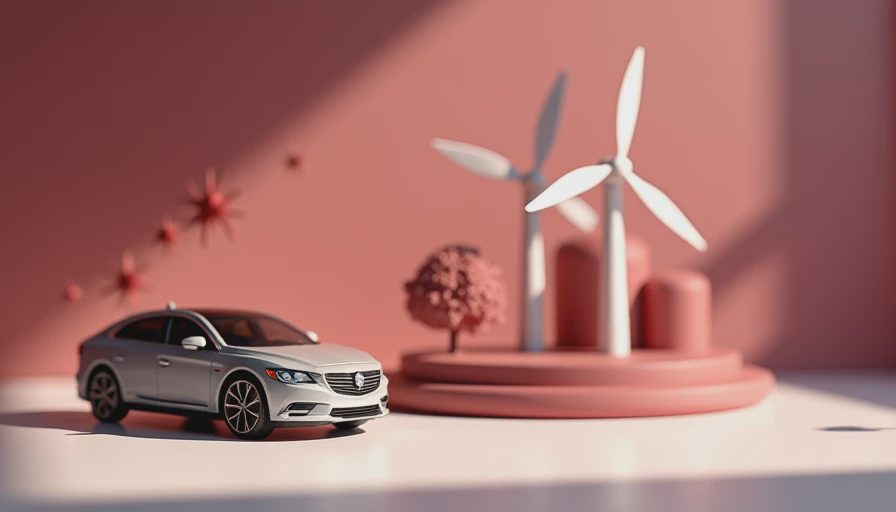
If you are testing the concept for a campus shuttle, a parade vehicle, a low-speed neighborhood runabout, or a display build, the idea can be educational and memorable. If the goal is daily commuting, long highway trips, or family hauling, the physics will usually say no before the sales pitch is done. That is where wind energy powered cars are most useful as a lesson: they make the drag problem visible in a way a spreadsheet does not. A short demo route can absorb noise and drag in exchange for attention; a 40-mile commute cannot. A hybrid, a battery electric, or even a well-maintained compact gas car will deliver more usable miles per dollar with less fabrication risk and far easier insurance.
A smarter buy for most drivers
A Toyota Prius, a Corolla Hybrid, a Tesla Model 3, or a Hyundai Ioniq 6 may not look as theatrical, but they turn efficiency into something measurable. The maintenance plan is known, parts are available, and repair shops understand the hardware. That matters when a car is supposed to be transportation instead of a science fair. If you want lower operating cost without a science project, spend the money on tires, alignment, and a battery-electric or hybrid platform instead. If you are still attracted to the concept, start with a test plan: note the speed range, the expected output, the failure modes, and the insurance conversation before you spend on fabrication. That approach keeps the project honest. In the end, wind energy powered cars are most persuasive when they are treated as prototypes with evidence, not as magic. The best builds tell you exactly what was measured, what was changed, and what it cost.
No letters yet — be the first guest to write.