The mach e gt 0-60 question gets asked for one reason: people want to know if the SUV feels fast in normal life, not just on paper. That is the right instinct. A quick launch can hide a lot of detail, and with an EV, the difference between a clean run and a sloppy one can come down to tire temperature, pavement, battery charge, and even how the driver feeds in the throttle. If you are shopping one, comparing trims, or trying to understand why two test results do not match, the answer is rarely a single number.
What the stopwatch usually shows
For the Mustang Mach-E GT, the common real-world answer is that the run lands in the low-to-mid 3-second range when conditions are right. Independent tests often cluster around about 3.3 to 3.8 seconds, with the quicker figures usually coming from warm pavement, a strong state of charge, and a driver who knows how to launch an EV without wasting grip. That puts it in the territory where the car feels genuinely urgent from a stoplight, not just quick in a brochure.
The useful part of that range is not the exact tenth. It is the feeling gap between everyday traffic and a hard launch. A crossover that gets to 60 mph in the 3s does not need drama to move away from a light. It just goes. That is why shoppers cross-shop it against performance-oriented gas SUVs and other EVs with strong instant torque rather than standard family haulers.
If you are reading test results online, look for the setup notes. A 1-foot rollout, a preconditioned battery, or a performance package can all move the number. A clean launch on a flat road tells you more than a glossy spec sheet ever will.
Why the same run can look faster or slower
The mach e gt 0-60 result is sensitive to conditions in a way that surprises some first-time EV buyers. State of charge matters because the battery and motors do not always deliver the same punch when the pack is low. Cold weather slows everything down, from tire grip to battery output. Even the road surface matters, because a dusty patch of asphalt can turn a hard launch into wheelspin and traction-control intervention.
Driver technique also matters more than people expect. EV torque arrives instantly, so stabbing the pedal can trigger the system to cut power just when you wanted a clean sprint. A smoother, more deliberate launch often produces the better time. That sounds backward until you see it happen twice in the same parking lot.
Trim choice matters too. The GT is already the hot setup, but Ford has offered variations and packages that change the launch feel. Tires, wheel size, curb weight, and software calibration all nudge the result. That is why one owner will swear the car feels brutal while another says it is merely quick. They may both be telling the truth from behind the wheel.

The parts of the car that affect the launch
When buyers talk about the mach e gt 0-60 result, they usually focus on horsepower, but the first 60 mph is really a systems test. Traction control has to manage the initial hit of torque. The front and rear motors have to coordinate. The battery has to stay happy under load. The tires have to hold the pavement. If one of those pieces is off, the whole run softens.
That is why tire condition is not a side note. Worn all-season rubber can make the SUV feel less eager than it should. A fresh set of quality tires, correct pressure, and a warm surface can improve consistency enough that the car feels more repeatable from one pull to the next. This is also where software becomes visible. A good drive mode does not just change the screen graphics; it changes how the powertrain responds in the first second of the launch.
For shoppers, that means the best test drive is not a gentle loop around the block. You want a safe, legal straight-line pull from a stop, ideally after the car has had time to warm up. One quick run tells you more about the vehicle than ten minutes of idle curiosity.
How to judge a used one before you buy
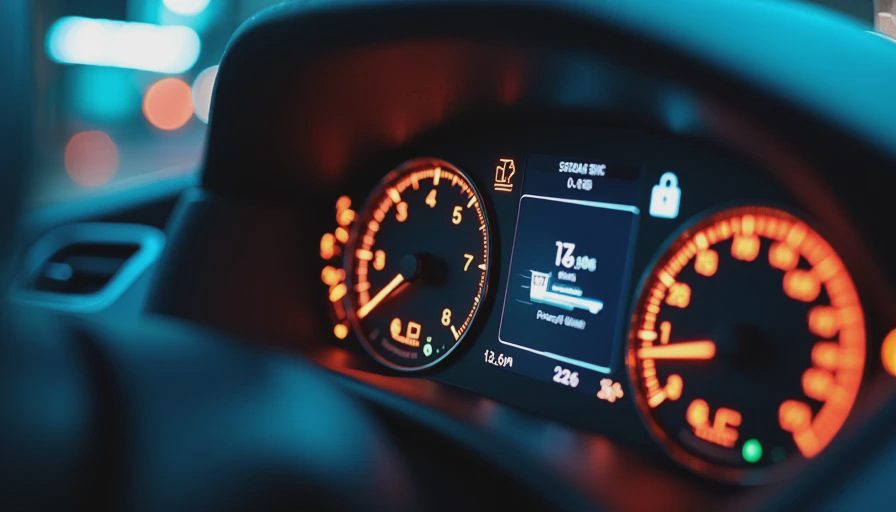
If you are considering a used example, use the mach e gt 0-60 conversation as a screening tool instead of a bragging point. Ask about tire age first. A performance EV on old or mismatched tires can feel less sharp and cost more to bring back to spec than the seller expects. Next, ask whether the car has been serviced for any repeated warning lights, charging issues, or software problems. A clean acceleration run is nice, but a healthy car needs to charge, start, and stop without drama.
You should also check for signs that the vehicle was driven hard without being maintained carefully. Scraped wheels, uneven tire wear, and brake dust that never seemed to get cleaned up can tell a story. EVs still need alignment checks and suspension attention, and a quick car with a neglected front end is just an expensive way to wear out rubber faster.
If the seller talks only about speed and never about charging habits, look closer. A well-kept performance EV is usually boring in the best possible way: regular charging, decent tires, clean records, and no mystery noises.
What this means for insurance and ownership costs
A fast EV does not automatically mean a painful insurance quote, but it can move the price. The reasons are practical. Repair costs can be higher because body panels, sensors, wheels, and battery-related parts are expensive. Tires can cost more than the set on a basic crossover. If the car spends time in the shop waiting on parts, the claim gets pricier for the carrier.
That does not mean every quote will be outrageous. A driver with a clean record, modest annual mileage, and a garage can still find reasonable coverage. The bigger point is that the car sits in a class where insurance companies pay attention to repair complexity and replacement cost, not just horsepower. Shopping quotes early is smarter than discovering the premium after you have already fallen for the launch.
If you are buying new or used, compare at least a few carriers and ask how they treat EV-specific repairs, glass replacement, and wheel coverage. The fastest way to turn a fun car into an expensive one is to ignore the boring parts of ownership.
Bottom line for shoppers who care about speed
The mach e gt 0-60 number is useful, but only if you treat it like a clue instead of a promise. In the right conditions, the car is quick enough to feel special every time you pull away from a stop. In the wrong conditions, it can lose a few tenths and still feel plenty fast for daily use. That is normal. It is also why test notes matter more than headline hype.
If you are cross-shopping, focus on the whole package: launch consistency, tire quality, charging history, and insurance cost. A strong time is great. A strong ownership story is better. And if you want the car to feel the way the best reviews describe it, start with a clean test drive, a full set of healthy tires, and a quote that fits the rest of the budget.
When the data lines up, the mach e gt 0-60 run is not just a spec. It is a pretty good preview of whether the rest of the vehicle was engineered for enthusiasts or just dressed up like one.

No letters yet — be the first guest to write.