Tesla door handles look simple until one refuses to present, retract, or release a door when the car is parked outside in freezing weather. For owners and used-car shoppers, Tesla door handles are not merely a styling detail. They are powered hardware connected to sensors, wiring, software logic, and the vehicle's low-voltage electrical system. A failure can affect access, create an inconvenient service visit, and raise questions about repair costs and insurance coverage.
The useful approach is to treat the problem like a small field investigation. Record the model year, mileage, software version, weather, battery state, and exact behavior. “It stopped working” is a complaint. “The passenger handle failed twice at 18°F after the vehicle updated overnight” is evidence a service advisor can actually use.
How Tesla door handles work and fail
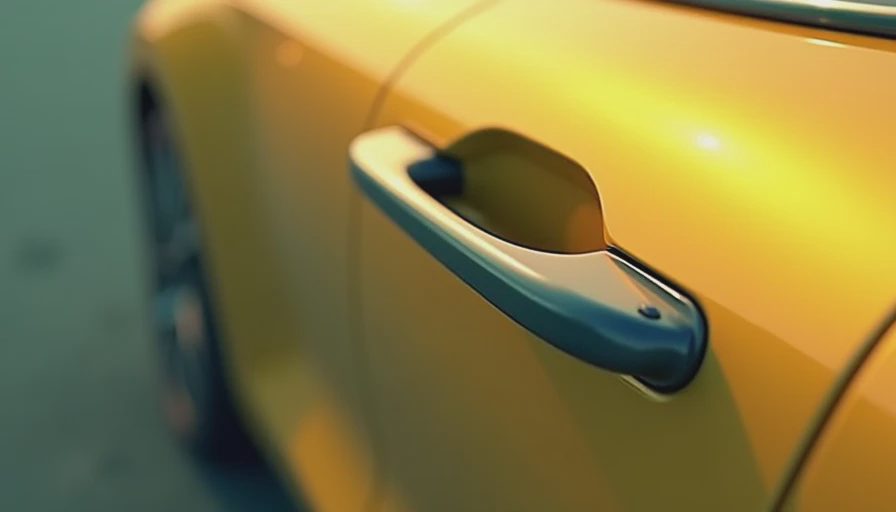
Most Tesla models use flush exterior handles that sit nearly level with the door skin. Depending on the model and configuration, the handle presents when a key card, phone key, or button is used. The driver then presses or pulls a specific area to open the door. That design reduces wind resistance and gives the car its recognizable profile, but it also adds moving parts and electronic dependencies compared with a conventional pull handle.
Common symptoms include a handle that stays flush, presents but will not unlatch the door, retracts slowly, or works intermittently. A door may still open from the inside, while an exterior handle fails. Another clue is inconsistent behavior after rain, a car wash, ice, or a 12-volt or low-voltage battery warning. Do not force the handle with a key, tool, or excessive grip. That can turn an electrical diagnosis into cosmetic or mechanical damage.
Start a log before scheduling service. Write down which door failed, whether the screen showed an alert, whether the window lowered normally, and whether another entry method worked. Photograph the handle position and any warning message. If the car is under warranty or a service plan, this record helps separate a covered defect from accidental damage, wear, or a collision-related repair.

Model-year differences and repair exposure
Tesla door handles are not identical across every vehicle. Model S and Model X generations have different mechanisms from Model 3 and Model Y, and revisions can change the likely repair path. A used-car buyer should identify the exact model year and build configuration rather than relying on a forum post about “a Tesla.” The same symptom can have different causes across platforms.
A service estimate might involve a handle assembly, actuator, wiring, connector, door module, or calibration. Labor access also matters because a technician may need to remove interior trim or a door panel. Out-of-warranty costs can range from a relatively modest diagnostic or adjustment charge to several hundred dollars for a part and labor. Collision damage, paint damage, and water intrusion can push the bill higher. Ask for a written estimate that separates parts, labor, diagnostic time, and any related damage.
For insurance purposes, a failed mechanism is usually different from damage caused by a covered event. Comprehensive coverage commonly addresses non-collision events such as theft, vandalism, weather, or animal impact, subject to the policy deductible. Collision coverage generally applies when the vehicle is damaged by contact with another object or vehicle. Mechanical breakdown and ordinary wear are typically not covered simply because a component stops working. The policy language and cause of loss control the result, not the brand name on the hood.
What to document before filing a claim
Do not open an insurance claim solely because a handle feels unreliable. First establish what happened. A clean documentation package should include:
- The vehicle identification number, mileage, model year, and affected door.
- Photos or video showing the handle failing, if it is safe to record.
- The date, location, weather, and any event immediately before the failure.
- Service invoices, diagnostic notes, prior repair records, and software-update timing.
- A dealer or repair-shop statement identifying whether the cause appears mechanical, electrical, accidental, or impact-related.
- Your deductible and the estimated repair total, so a small claim does not create unnecessary paperwork.
This process is especially important when Tesla door handles fail after a minor scrape or parking-lot impact. A shop may find a bent linkage or damaged mounting point that would not be consistent with ordinary wear. Conversely, a clean exterior with an internal actuator fault may support a warranty or mechanical-repair conversation rather than an insurance claim.
Keep original photos and invoices in cloud storage. Service apps are useful, but app histories can change or become difficult to export. A dated folder with the VIN, mileage, and repair documents is less glamorous and more durable. Engineering wins by being boring at the right time.
Used-car inspection checklist
When inspecting a Tesla, test Tesla door handles individually instead of checking only the driver's side. Unlock the vehicle with the phone key, then try the key card if available. Open and close each door several times. Watch whether the window drops slightly as the door opens and rises again when it closes. Listen for grinding, repeated clicking, delayed movement, or an actuator that sounds different from the other doors.
Inspect the handle gaps and paint around each mounting area. Uneven alignment, fresh overspray, scratches, or a door that sits differently from adjacent panels can indicate prior collision work. Test the rear doors from outside and inside, and confirm that child-lock settings are not being mistaken for a handle failure. Also verify that the manual emergency release is clearly understood; using it incorrectly can damage window trim or seals on some designs.
Ask the seller for service history, open work orders, warranty documentation, and proof of any handle replacement. A seller who says “it just needs a reset” should demonstrate the repair rather than offering a theory. During a pre-purchase inspection, request that the technician scan for relevant fault codes and check the low-voltage system. A weak battery can create confusing electronic symptoms, although it does not prove that the handle itself is healthy.
Insurance and ownership cost planning
Insurance quotes should be obtained before purchase, using the exact vehicle identification number when possible. A Tesla's repair cost, parts availability, location, driving record, coverage limits, and deductible all influence the premium. Compare quotes from several carriers, including options such as State Farm, Progressive, GEICO, and Tesla Insurance where available. Their eligibility rules, claims processes, and pricing models differ.
Ask specifically how the insurer handles original-equipment parts, manufacturer repair procedures, glass, roadside assistance, and rental reimbursement. A $1,000 deductible can make a $700 handle repair an out-of-pocket expense even when the policy covers the type of event. Liability coverage pays for damage or injuries you cause to others; it does not normally repair your own malfunctioning component. Comprehensive and collision protect against defined causes of vehicle damage, not every inconvenient failure.
A realistic ownership budget should include a maintenance reserve separate from the premium. Setting aside $50 to $100 per month can help cover diagnostics, tires, alignment, trim, and electronic repairs without forcing a marginal claim. Compare that reserve with the car's warranty status and the seller's documented history.
A practical decision for buyers and owners
Tesla door handles are not an automatic reason to reject a car, but unexplained intermittent failures deserve attention before money changes hands. A functioning demonstration, consistent service records, and a clean inspection reduce uncertainty. Missing records, repeated symptoms, visible impact damage, and a seller unwilling to permit an inspection justify a lower offer or a different vehicle.
For current owners, the best next step is simple: capture the symptom, avoid forcing the hardware, check for relevant alerts, and schedule diagnosis through an appropriate service channel. Then compare the written repair estimate with the likely deductible and cause of loss before contacting an insurer. Evidence will not make a faulty actuator less annoying, but it can prevent a small hardware problem from becoming a large, undocumented argument.

No letters yet — be the first guest to write.